Clickity-click. “Together,” the opening song of The Avalanches’ No Bad Memories, begins with a sound familiar to anyone who grew up around computers: The double click. Mechanical hums and whirrs indicate the sound of a Xerox machine—A corporate office, somehow transformed into a danceable beat. Vibrant, playful synths hop up, down, and around the track as a children’s choir sings the chorus: “As long as we’re together/for ever and ever and ever…” The collision between corporate technology and human emotion is a theme at the core of No Bad Memories, which blazes through a weird, wild, and fun 31-song tracklist full of faux-advertisements, nostalgic pop masterpieces, and strange sonic experimentation.
The Avalanches have always been about this kind of sonic diversity. The Australian band cemented their legacy with Since I Left You (2000), an innovative cult classic building soulful pop orchestrations entirely from samples. After a long hiatus, the band has had a steady output since 2013. It now consists of DJs Tony DiBlasi and Robbie Chater and multi-instrumentalist Andy Szekeres, who kept their sample-based approach and began to incorporate featured artists ranging from the popular to the obscure. No Bad Memories includes rappers like Erick the Architect, club producers like Khadija Al Hanafi, and indie legends like Panda Bear, proof that despite their age, the Avalanches have a firm grasp on the pulse of modern mainstream and underground music alike.
In No Bad Memories, though, the band flips their usual sound on its head. The record’s third track, “I Give Everything 2 U” sounds straight out of Wildflower—a tactile, warm, vintage resonance—but is suddenly chopped up into a trippy electronic dance track, almost aggressively digital in presentation. This push and pull between the Avalanches’ digital future and analogue past is the core of the record—A melding of technology and nostalgia.
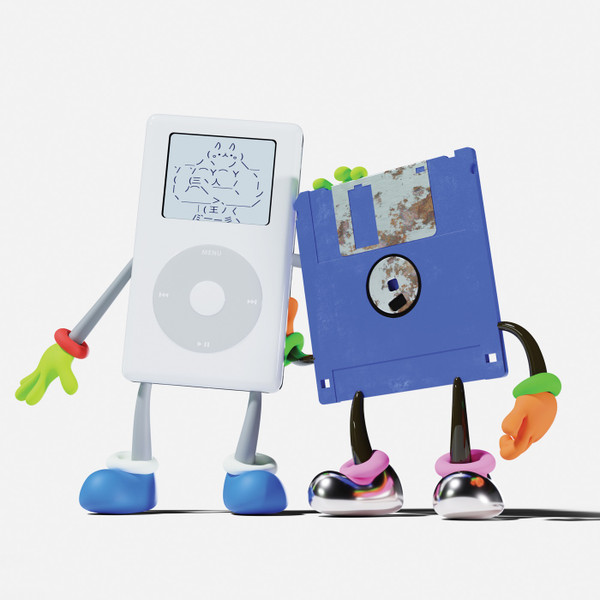
Nostalgia and connection are themes at the forefront of No Bad Memories. The cover features a floppy disk and an iPod holding hands, artifacts from the not so distant past that now seem like old friends. “All The Time In The World,” features another old friend—Weezer frontman Rivers Cuomo. The Avalanches use Cuomo smartly—his eternal youthful charm reminds us of our fond memories of Weezer, a band who’ve soundtracked teenage angst for decades. On this springtime melody, Cuomo’s voice takes us back to a place of serenity, innocence, and love. Over a hand-clapping instrumental that swirls and floats through the air, Cuomo croons: “Waking up with the sunrise in our sights…Every moment feels so right and so real/No worries, no hurries, let the world gently pass us by.” This track assures us that we can slow down to enjoy the time we have with people we love.
The rest of the album complicates this message. What The Avalanches have to say about nostalgia and its interaction with the modern world is much more than remembering the good times. Companies spin peoples’ memories into advertisements, using emotion to sell products. The Avalanches understand this concept well, crafting a juxtaposition between commercialism and human memory. The listening experience of the album shows the commodification of memory through sound collages made from advertisements placed throughout the record. These range from commercials for fictitious 80s-inspired brands narrated by Haley Joel Osment to chillingly real modern brands like a Spotify Premium ad. While these advertisements effectively drive home the themes of the album, upon my re-listen, I tend to skip them, as they make the tracklist feel a tad bloated.
However, the advertisements are placed between songs that conjure flashes of memory and emotion across many lifetimes. The chipper children’s choir and bouncy beat of “Every Single Weekend” (featuring Grammy winner Jamie xx) summons visions of a beach ball tossed around poolside, friends gathered round to share drinks. The plodding drum beat and shimmering synths of “Blue Shadows” pair with the voice of Yeah Yeah Yeahs frontwoman Karen O to invoke city streets on a cool summer night. The airy, aching breakup number “Can’t Get Over Losing You,” a highlight of the album, pulsates and soars with neon longing, passion, and escape, completed by high-pitched vocals from up-and-coming indietronica artist Portraits of Tracy.
The contrast between dance songs and advertisement-based sound collages creates a vivid portrait of the modern landscape. Flashy billboards, social media, and advertisements shout at us from every corner, fighting for our attention and pulling us away from love and connection with our fellow human beings. Capitalism intertwines love and money; experiences and emotions are bought and sold, and our memories and lives are marketed back to us through social media. We long for the past, but technology will never be able to replicate our memories. Back on the bridge of the album’s opener “Together,” Jessy Lanza sings “I’ll never be the picture me, the me I love the most/Staring at a picture on my phone, staring at a memory that’s gone,” making the disconnect between technology and memory explicit.
No Bad Memories closes with a haunting sample of a crooning voice from the 50s, complete with the familiar hiss and crackle of a vinyl skipping on a record player. “Have you anything to say to me? Where could my love be?” ponders a mournful male singer, his voice echoing from somewhere far away before fading out entirely. After a moment of silence, we hear a loud synth jingle: The boot-up sound of a futuristic computer.
The shadows of the past have disappeared. Welcome to the digital age. We’re here, so why not party? Dance the pain away, and get lost in the past, because amid the digital noise, we still have each other. “Together, forever, and ever, and ever.”