Look through just about any issue of The Village Voice from the 60s and 70s and you’ll inevitably stumble across pages upon pages of film listings and advertisements, ranging from European auteur classics, avant-garde experimentals, and art-house pornography. It was a clear sign of New York City’s newfound position as the world’s preeminent cinema city, with venues like the Bleecker Street Cinema and Anthology Film Archives becoming temples to filmic iconoclasm. Navigating New York’s labyrinthine art-house filmgoing scene became slightly less daunting with the advent of Screen Slate in 2011, which provides comprehensive listings and accompanying criticism for any and all of the city’s niche screenings. Nevertheless, it can still be a massive headache to find the best retrospective screenings within New York’s treasure trove of repertory theaters. So whether it be for a date night at the Metrograph, an educational trip to Anthology Film Archives, or just a quick day at the MoMA, What’s Old is New compiles all the essential programs and screenings to see in the upcoming month.
Anthology Film Archives
Metaphysics of the Pratfall: Jerry Lewis and Jean-Luc Godard
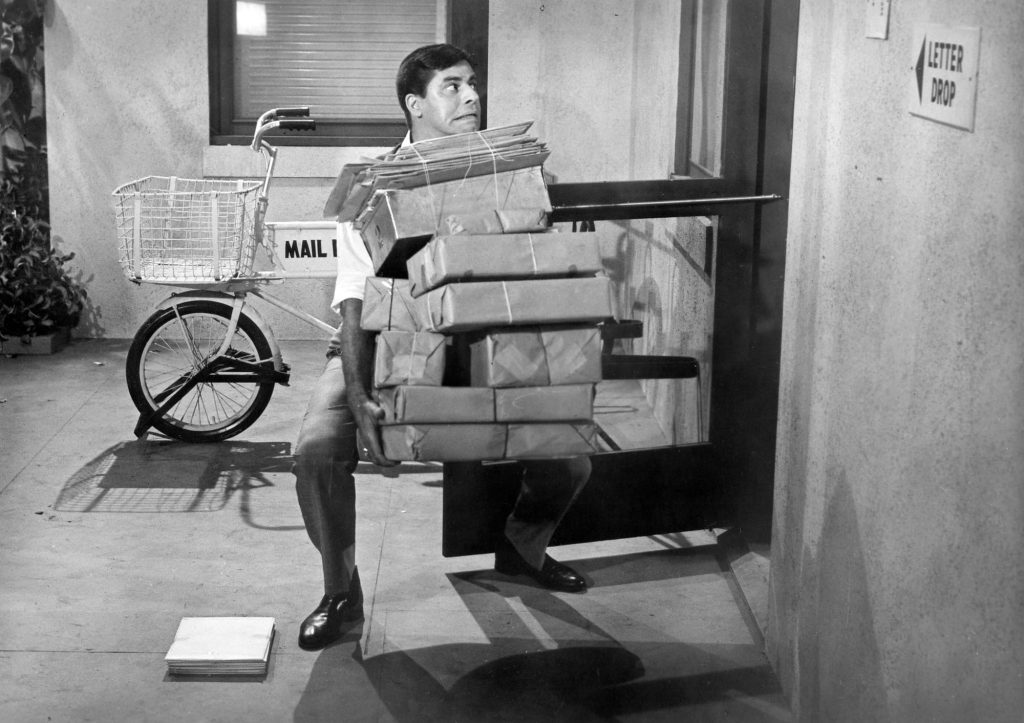
The absurdist, slapstick comedy of Jerry Lewis is matched with the equally absurdist radicalism of Jean-Luc Godard in this program from the wonderful film screening group The Theater of the Matters. A series of seven double features, “Metaphysics of the Pratfall” is an attempt at finding unexpected links between two filmmakers who on the surface couldn’t seem more different. Building from the devotion Lewis was held in for his early auteur sensibilities (he wrote, directed, and starred in most of his films) by French New Wave magazine Cahiers du Cinema, the series seeks to reorient our understanding of genre, self-reflexivity, and dialectical relationships. Worth it just to see Lewis’ gag-filled The Errand Boy before plunging into the ennui and pretension of Godard’s Contempt right afterwards.
Revelations of the Middle Ages
In celebration of the release of filmmaker Caroline Golum’s new film Revelations of Divine Love, a feature inspired by the writings of medieval mystic Julian of Norwich, comes a series of films set in the Middle Ages programmed by Golum herself. There are of course odes to fantastical legends like John Boorman’s delirious Excalibur and Michael Curtiz’s swashbuckling The Adventures of Robin Hood, along with Roger Corman’s signature B-movie reimagining of Edgar Allan Poe’s The Masque of the Red Death. The series is also not lacking in bawdy, medieval sleaziness, with 35mm presentations of films by two masters of eros, namely Paul Verhoeven’s Flesh + Blood and Pier Paolo Pasolini’s adaptation of Chaucer’s The Canterbury Tales certainly making for an enriching time at the movies.
Tickets: $14 / $10 for Students
Brooklyn Academy of Music
Programmed in collaboration with New York arts magazine Triple Kanopy, “Magic” is an all-encompassing journey through cinema’s relationship to spectacle, illusion, mysticism, and occultism. The series presents a litany of diverse films, ranging from literal depictions of magic on screen, elusive tales of legends and the oral tradition, as well as films that directly explore our sensations of illusion. Of the latter, “Magic” presents two short film programs – “Rituals for the Dead and Living” and “Tricks, Spirits, and Flickering Lights” – which include abstract sensorial works by the likes of Ken Jacobs, Maya Deren, Alice Guy-Blaché, and Kenneth Anger in order to redefine notions of traditional cinematic experience. In addition, there’s a wide variety of offerings courtesy of dreamlike works by Bergman, Resnais, Makhmalbaf, Burnett, Weerasethakul, and Argento.
$17 / $11 for Students via rush tickets at box office
Film at Lincoln Center
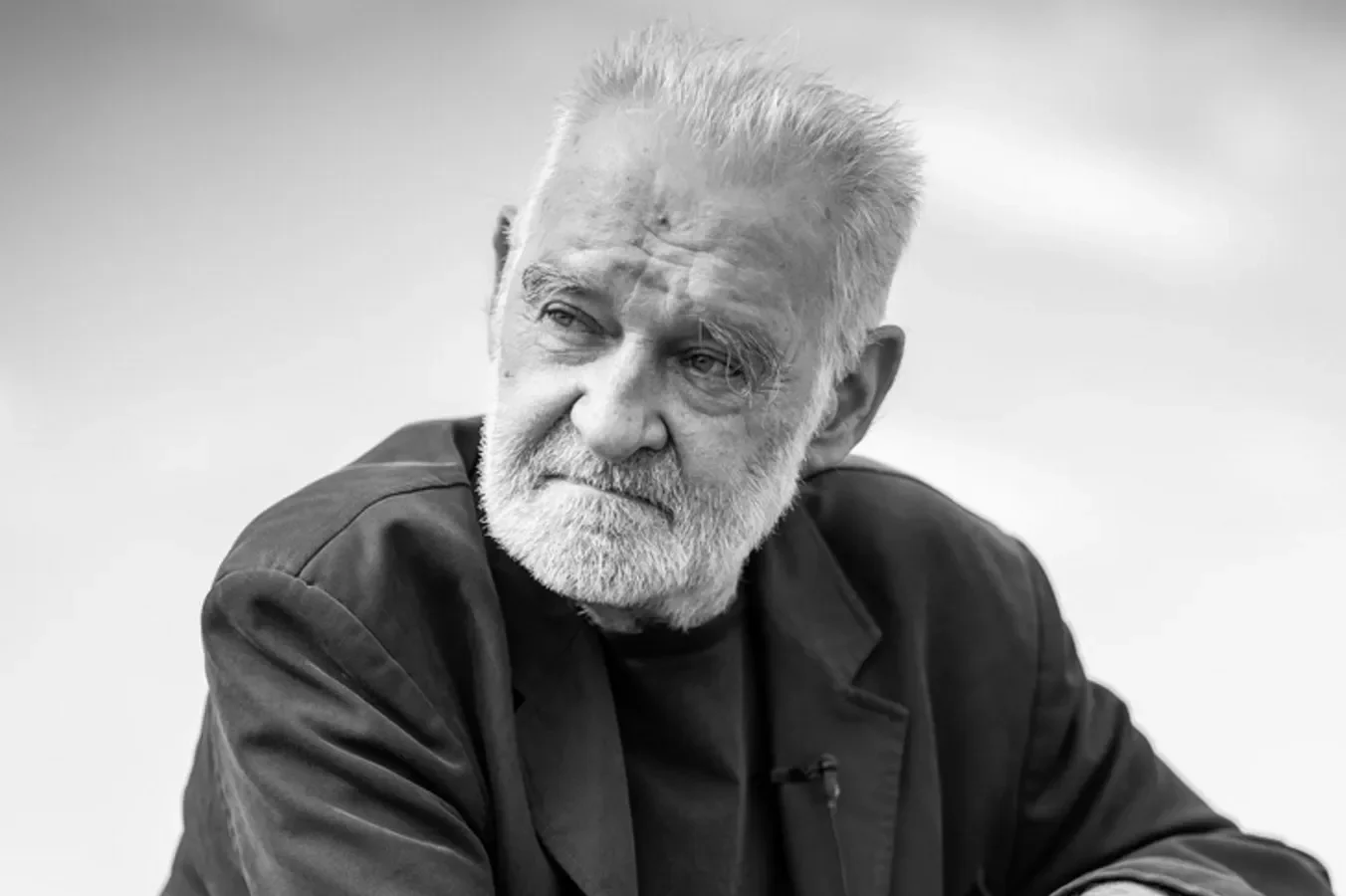
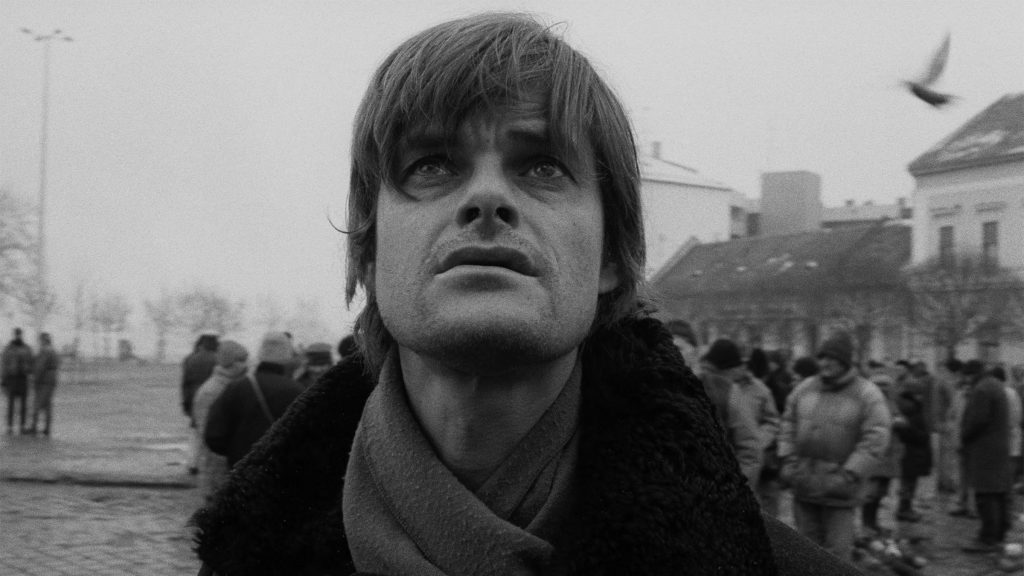
Cinema lost one of its titans this January with the death of Béla Tarr, an artist who redefined cinematic notions of time and atmosphere. A short but sweet elegy, this 5-day program commemorates the late director with screenings of all his films, ranging from early social realist dramas like Family Nest and The Outsider, to his later apocalyptic collaborations with Nobel Prize-winning novelist Laszlo Krasznahorkai, including The Turin Horse, Werckmeister Harmonies, and the behemoth that is the 7-hour long Satantango. Film at Lincoln Center’s website claims that these films “demand to be seen on the big screen”, and indeed the sheer scale, both spatial and temporal, of Tarr’s later work does necessitate the cinematic experience.
$20 / $17 for Students
Film Forum
Agnes Varda: A Comprehensive Retrospective
There may be no director in history with a career more wide-spanning than Agnès Varda, whose work ranges from intimate character studies to joyous documentaries. Working continuously for 7 decades, Film Forum’s all-encompassing retrospective of her life’s work may just be the best way to understand her path from French New Wave icon to an early pioneer of digital filmmaking. Highlights include Vagabond, Le Bonheur, Cleo From 5 to 7, and a 35mm presentation of The Gleaners and I. The series also includes The Young Girls of Rochefort by Varda’s husband Jacques Demy as a complement to her revisiting of the film, The Young Girls turn 25.
$17 / $13 for Students
Metrograph
By some distance the most obscure filmmaker to feature on Sight and Sound’s Top 250 Greatest Films list, Soviet filmmaker Boris Barnet is mostly forgotten by the filmmakers of today. A profound influence on both the Cahiers du Cinema crew and a generation of Soviet filmmakers including Andrei Tarkovsky, it’s been over 20 years since Barnet has received a retrospective in New York City, consistently in the shadow of contemporaries like Sergei Eisenstein and Alexander Dovzhenko. In the words of programmer Hannah Yang, who started the series at Doc Films Chicago earlier this year before bringing it to Metrograph: “[Barnet] conveys the beauty and tragedy of the everyday with an embodied grace that cannot help but linger on the presence of things: fresh air, the lilt of a song, blinding waves, the illuminated white flowers at night.” Highlights include his Sight and Sound inclusion By the Bluest of the Seas on 35mm and his mammoth 4-hour spy series Miss Mend.
$18
Museum of Modern Art
Marilyn Monroe: Celluloid Dream
A comprehensive guide to Norma Jeane Mortenson’s tragically short but immensely compelling film career, “Marilyn Monroe: Celluloid Dream” tries to find the woman behind one of pop culture’s greatest symbols, looking not only at her various film roles but also retrospective attempts at mythologization. Alongside films that display the dynamic range of her character work – vulnerability in The Misfits, comedy in Some Like it Hot (among many others), instability in Don’t Bother to Knock – the series also features Marilyn Times Five by Bruce Conner and Mulholland Drive by David Lynch, wherein the very concept of the “blond bombshell” is intertwined with the infernal nature of stardom and the hollywood machine. In films like Gentlemen Prefer Blondes, How to Marry a Millionaire, and The Seven Year Itch, her ditzy persona reveals her own form of performance and resistance.
A View From the Vaults: The 1980s
This month, MoMA is delving into its extensive film archive for the first time in years, offering up just a smattering of what 80s cinema has to offer, all on 35mm film prints! There’s no shortage of American blockbusters like Die Hard, Scarface, and Indiana Jones and the Temple of Doom, which are sure to satisfy any Gen-X parent, but the series doesn’t just stop there. Late-career works from old guard auteurs (Ran, Fanny and Alexander, Veronika Voss) are paired with an evolved incarnation of New York no-wave cinema (Smithereens, Variety) to create a portrait of 80s cinema beyond Hollywood commercialization. Other highlights include Kiarostami’s Where is the Friend’s House, Forman’s Amadeus, and Martiniquois obscurity Sugar Cane Alley among many others.
$14 / $12 for Students / Free for Students via Rush at box office
Museum of the Moving Image
Travel back in time 25 years to a very different period for New York City with a selection of 2001’s best films. There’s truly something for everyone in this program. Francophone cinema presents both enigmatic works by New Wave auteurs (Godard’s In Praise of Love and Rivette’s Va Savoir) alongside biting, taboo-breaking portraits of female sexuality and male oppression (Haneke’s The Piano Teacher and Breillat’s Fat Girl). New Taiwanese Cinema moves into the 21st century with the languid atmospheres of Tsai Ming-Liang’s What Time is it There? and Hou Hsiao-Hsien’s Millenium Mambo. Elsewhere, there are oddballs like Linklater’s animated Waking Life, mindfucks like Memento and Mulholland Drive, and the eerie horror of The Others and Donnie Darko.
$17.50 / $12 for Students