Look through just about any issue of The Village Voice from the 1960s and 70s and you’ll inevitably stumble across pages upon pages of film listings and advertisements, ranging from European auteur classics, avant-garde experimentals, and art-house pornography. It was a clear sign of New York City’s newfound position as the world’s preeminent cinema city, with venues like the Bleecker Street Cinema and Anthology Film Archives becoming temples to filmic iconoclasm. Navigating New York’s labyrinthine art-house filmgoing scene became slightly less daunting with the advent of Screen Slate in 2011, which provides comprehensive listings and accompanying criticism for any and all of the city’s niche screenings. Nevertheless, it can still be a massive headache to find the best retrospective screenings within New York’s treasure trove of repertory theaters. So whether it be for a date night at the Metrograph, an educational trip to Anthology Film Archives, or just a quick day at the MoMA, What’s Old is New compiles all the essential programs and screenings to see in the upcoming month.
Graphic by Xanthe Massey
Where to See: Japan Society
The Roman Porno is one of cinema’s most fascinating genres. As the era of porno-chic began to take over the American box-office in the early 1970s, Japan’s oldest film studio Nikkatsu also decided to cash in on the boom: they would start making softcore sexploitation. Dubbed Roman Pornos, these films were cheap and quick to make, and were required by the studios to include at least one sex scene every 15 minutes. The subtle nature of their sexuality allowed for an unconventional blend of arthouse flourish and erotic titillation, one which gave the genre the validation of critical prestige. It is these provocative films – imbued with vibrant color and historical weight – that are the focus of Japan Society’s new series, which celebrates the 55th year anniversary of the founding of the genre. Highlights include A Woman Called Sada Abe – a retelling of one of Japan’s infamous crimes – Shinjuku Midnight Story: Man and Woman – about Tokyo’s queer club culture – and Angel Guts: Red Classroom, a bloody manga adaptation which also gives its name to a Xiu Xiu album.
$16 / $14 for Students
A pioneer of Italian neorealism and the subject of perhaps the most notorious infidelity scandal of the 1940s, Roberto Rossellini made some of postwar cinema’s greatest works. This 25-film retrospective by Film Forum celebrates the director’s versatile and somber filmography. Most well-known for his “Neorealist Trilogy” – made up of the films Rome: Open City, Paisan, and Germany: Year Zero – Rossellini helped develop the style of realism we recognize today, influencing directors ranging from Kelly Reichardt to Martin Scorsese. Even more poignant are his five collaborations with his third wife Ingrid Bergman, including the English-language Journey to Italy and the lonesome Stromboli.
$17
Where to See: Anthology Film Archives
From the aggressive industrial of Einstürzende Neubauten to the bombastic theatricality of Nina Hagen, the emergence of German punk in the late 1970s signalled that the vague anarchic gesturing of the original punk scene had metamorphosed into something altogether more politically unwieldy. And why not? After all, a significant energy crisis, the political terrorism of the far-left Baader-Meinhof gang, and the stationing of nuclear missiles in West Germany in 1979 was sure to spur the disaffected youth of Germany to provocation. This series by Anthology Film Archives presents the filmic capturing of this far-too neglected music scene. A selection of rarities spanning made-for-tv teen films, concert documentaries, and Super 8 experimentals, “German Punk” seeks to explore the socio-political undercurrents of artistic transgression. A compilation of Einstürzende Neubauten television performances and a documentary 1999 following Nina Hagen stick out as must-sees.
$14 / $10 for Students
Faces: Moving Image Portraiture
Where to See: Anthology Film Archives
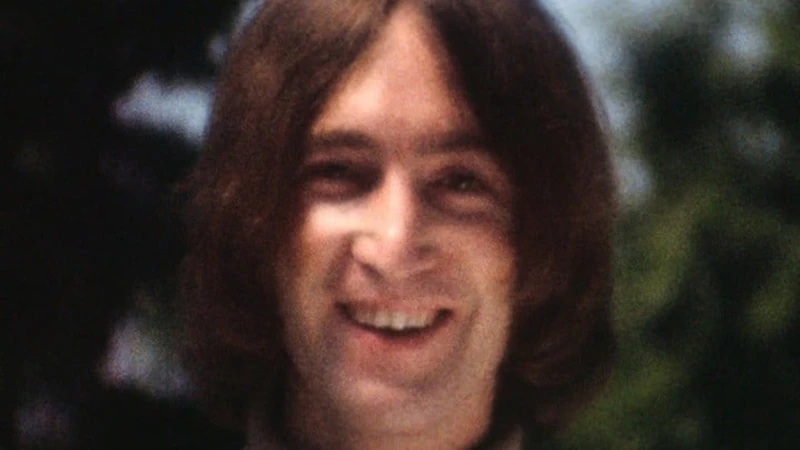
If you liked Nathan Fielder and Lance Oppenheim’s obsessive close-ups on every pore of Elizabeth Holmes’ face in You Can See Everything, then you’ll probably like “Faces: Moving Image Portraiture”, which explores the history of avant-garde portraiture in cinema. The thousands of static human faces – which range from Allen Ginsburg, Susan Sontag, and John Lennon (for 49 minutes straight, might I add) – in this series become a blank canvas for all manner of unspoken thoughts and emotions. Made up of an overwhelming amount of experimental portrait studies, abstract self-portraits, and intensely durational films, some highlights of “Moving Image Portraiture” include Gregory Markopoulos’ hypnotic Galaxie and a pairing of Andy Warhol’s Screen Tests and Conrad Ventur’s Screen Tests Revisited, the latter of which sees the visual artist refilm the still-living participants of Warhol’s project 45 years later. The series concludes with a double feature of Warhol’s Eat and Blow Job, perhaps featuring the most poignant faces of all.
$14 / $10 for Students
Where to See: Brooklyn Academy of Music
Sometimes the story is behind the camera. Across ten programs, this series at BAM chronicles the creative methods of some of cinema’s greatest directors. Les Blank’s Burden of Dreams, for example, captures the arduous shoot of Werner Herzog’s epic Fitzcarraldo, as he battled with both the verdant Amazon jungle and the temper of his star Klaus Kinski. Not all these programs depict the intense challenges of filmmaking; playful self-portraits by Jean-Luc Godard and Chantal Akerman screen back to back, whilst Agnes Varda’s loving portrait of the childhood of her late husband Jacques Demy also illustrate the wonders of making movies. There are also films about Straub/Huillet, Jacques Rivette, Akira Kurosawa, and Spike Lee.
$17
Shadows of the Spring: The Normalization of Czechoslovakia
Where to See: Museum of Modern Art
Czechoslovak cinema is mostly known for the revolutionary films of the 1960s Czech New Wave, where directors like Věra Chytilová and Juraj Herz created absurd sexual comedies and gothic fantasies. Following the period of liberalization of the Prague Spring in 1968, the state censorship of the repressive “Normalization” period forced filmmakers like Miloš Forman to move to Hollywood; those who remained were given significant artistic restrictions. Yet, “Shadows of the Spring” shows the cinematic creativity that thrived in spite of those conditions. Consisting of Czechoslovak films released between 1971 and 1986, this series looks at the plethora of comedies, dramas, and fairy tales made under Normalization. Highlights include Jiří Menzel’s sex comedy Cutting it Short and Karel Kachnya’s dreamlike reinterpretation of The Little Mermaid.
$14 / $10 for Students / Free for NYC students via Rush at the Box Office
Where to See: Museum of the Moving Image
Whilst the Criterion Collection’s gargantuan release of a Stanley Kubrick boxset may cause some cinephiles to recoil at the continued commodification of classic cinema, there’s no doubt that Kubrick’s filmic oeuvre can hardly be matched. In celebration of their 4K restorations, the Museum of the Moving Image is presenting all of Kubrick’s films, from the 1953 low-budget Fear and Desire all the way until 1999’s Eyes Wide Shut. There’s not much to add about one of the most esteemed directors American cinema has ever produced, but this series does include some extra specialties that add to his intrigue. Fear and Desire will be shown alongside a couple of his early documentary shorts on 35mm, while a rare international cut screening of The Shining will be preceded by a conversation with inventor Garrett Brown, whose invention of the steadicam brought an unforgettable terror to the Overlook Hotel.
$17.50 / $12 for Students / Free for NYC students via Rush at the Box Office
Where to See: Museum of the Moving Image
If you had to pick one family to sum up show business, it would probably be the Minnellis. Vincente Minnelli, with his splendid melodramas and iconic musicals, often starring his first wife Judy Garland, proved himself to be one of Hollywood’s top directors of the 1940s and 50s. Their daughter Liza Minnelli would, much like her mother, become one of the most iconic performers of the 20th century, dazzling on the stage in Chicago and in screen classics like Cabaret and New York, New York. “The Minnellis” focuses on the wide-spanning achievements of the father-daughter pair, but with Garland’s presence hardly one to be ignored, especially given her starring roles in Vincente’s musical classics Meet Me In St. Louis and The Pirate. Also of note is the consistent theme of both private and artistic queer sexuality through the family’s work, be it Vincente’s closeted sexuality and groundbreaking gay film Tea and Sympathy, Garland’s status as a monumental gay icon, and Liza’s continued activism for gay rights.
$17.50 / $12 for Students / Free for NYC students via Rush at the Box Office
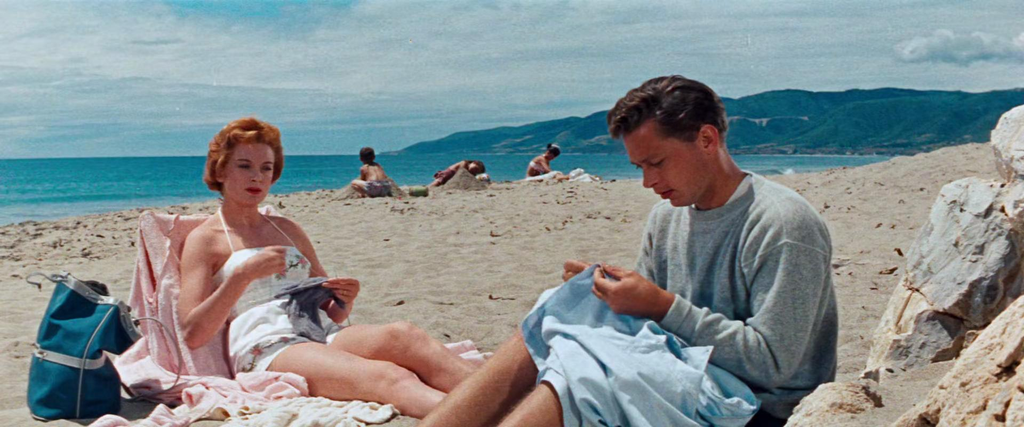
Here are some one-offs that don’t belong to a particular series, but are well worth checking out:
Anthology Film Archives is hosting a screening of Devo rarities from 1976-1984, including long unavailable live performances, music videos, and interviews.
Legendary French actress Emanuelle Beart (La Belle Noisseuse, 8 Women), will be in New York to present a screening of her 1991 drama A Heart in Winter at L’Alliance.
BAM will be showing all episodes of Eternity’s Pillar, Alice Coltrane’s late night television show about jazz and spirituality.