Talk to anybody, in any role and in any field, and you’ll quickly learn of the billions of dollars currently being poured into embarrassing attempts at understanding what makes us tick. The conclusions they arrive at are often offensive, misguided, and a total waste of their time. Not only do they mischaracterize our interests as post-modern drivel that must be stooped down towards, but it’s often a better reflection of their defects and inabilities; is there a person less technologically capable than your CEO dad?
It’s not like we’ve made ourselves unreachable, either. A scroll through STATIC, or any of the other hundreds of thriving blogs, zines, or platforms run by our passionate peers, reveals where our passions are placed, even if they’re off the beaten path. We’ve even been so kind to compile them into one healthy list for you right here. STATIC’s top 50 albums of the year is an organic reflection of our staff, who are also our proudest readership, their taste and habits. Our lifeblood as a DIY project that receives little institutional funding or influence courses through our editorial focus, one that we have little incentive to get the masses to trust, no matter how much it may benefit them. We vehemently reject notions of incuriosity and doomerism around the way we receive, parse, and process culture, even if we could all get off Spotify next year.
As a publication attached to a non-commercial radio station, we set certain guidelines around our picks, in order to continue that left of the dial spirit The Replacements sang about so long ago. With few exceptions, there are no major labels on the list, which means that even though we enjoyed albums from Addison Rae, Dijon, Blood Orange, and Ethel Cain, they won’t be receiving in depth coverage here. I’m sure you can find those elsewhere. We can’t promise that everything listed is the future of music, or whatever hyperbolic burden is always being placed on any artist under 25, but it certainly is the present. These are 50 of the albums we have listened, thought about, and enjoyed throughout the course of 2025. – Benny Sun
50. Antigone – Eiko Ishibashi
The best way to listen to Eiko Ishibashi is to watch the entirety of Ryusuke Hamaguchi’s 2021 masterpiece Drive My Car, right now. The second best way is Antigone, a rare record of songs from jazz musician, electroacoustic auteur, and film composer Eiko Ishibashi. Like Drive My Car, Antigone focuses on Ishibashi’s ear for a loose popular music skeuomorph that artists like Tortoise and Jim O’Rourke, Ishibashi’s husband, have molded Chicago jazz into. Airy percussion and sparse vocals make a rich atmosphere of tenderness and calm, but it’s never traded for substance. “Coma” fits a free-running synth over a neat groove, pacing calmly throughout its runtime, while “The Model” sprawls freely across 8 minutes, hinting at the sheer intensity Ishibashi could unleash, so she should choose. – Benny Sun
49. Sky Record – Dan English
Imbued with the spirit of small town Iowa, Dan English reinvigorates the ever-changing New York indie scene with his transcendent album, Sky Record. The record artfully balances the line between baroque and folk, applying glamorous strings and lush voices to punchier guitar chords and raspier tones. English often cites his music as influenced by his juvenile, escapist tendencies: daydreaming about movies that don’t exist, or making up patterns in books. Sky Record is refreshing, straying from the repetitive chords of most New York up-and-comers. The opener, “Across My Jaw,” awakens listeners and welcomes them into the magical world of Sky Record. “Sky Record Song” and “Puzzle Pt. 1” are atmospheric contenders that transport audiences into another realm. Besides English’s compositional merits, he also features a number of incisive lyrical numbers, such as “Need,” and “Cigarette at Window.” The album feels like listening to a medieval John Cooper Clarke, and readers should expect more to come from English’s immense talent. – Lizzy Jack
48. Faith – Purelink
“Not everything beautiful has to be real,” states artist Angelina Nonaj on Faith’s penultimate track “First Iota.” Indeed, it is Faith’s ethereality which makes it so beautiful. The record sees the formerly-Chicago-now-Brooklyn-based trio Purelink, composed of Tommy Paslaski, Ben Paulson, and Akeem Asani, lean into a warmer hue of ambient techno. Less anchored by the click and cut percussion of 2023’s Signs, Purelink’s sophomore effort envelops the listener in slower rhythms, murmuring synths and syrupy textures.
Part of the intrigue of their debut album, Signs, was Purelink’s allegiance to their glitch and experimental techno forefathers (Oval, Basic Channel). But on Faith, the group reached beyond their inspirations to incorporate live instrumentation and collaborative vocals. This might have initially deterred the most nostalgia-addled of heads, but it’s hard to imagine the gentle groove of “Rookie” without musician Loraine James’ lullaby, or the severed guitars of “First Iota” without Nonaj’s philosophical prelude. The voices become just another layer of texture Purelink can employ; another tool they can use in the pursuit of creating something resonant and, ultimately, real. – Sophia Franklin
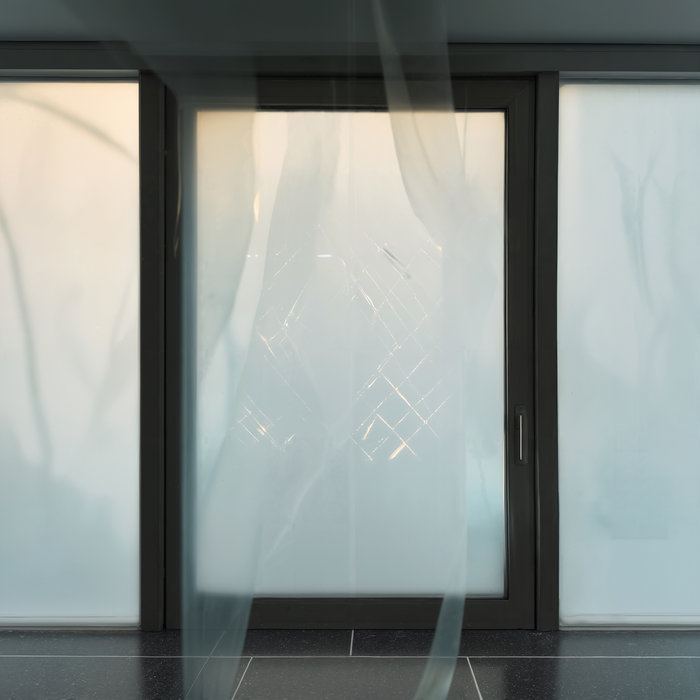
48. no floor – more eaze & claire rousay
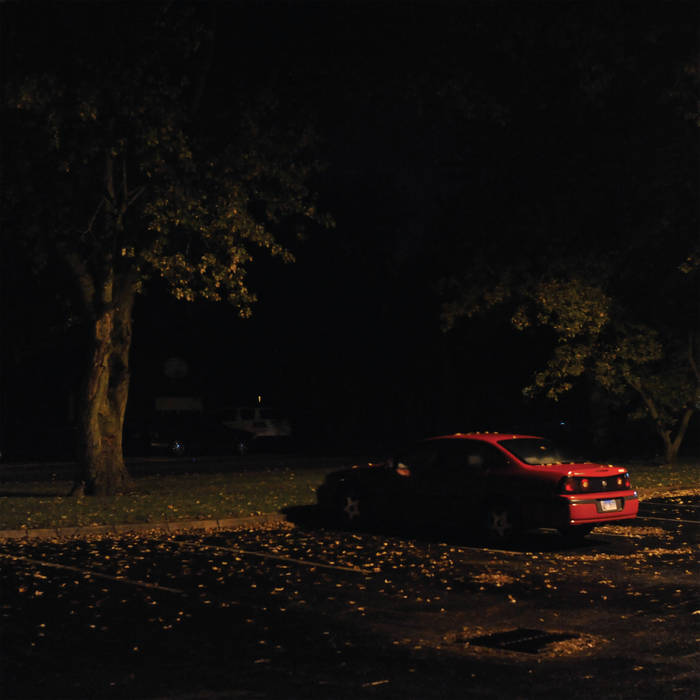
more eaze and claire rousay’s No Floor is a warmly lit glimpse into the friendship and youth between the two longtime friends and collaborators from their hometown of San Antonio, Texas. Country and Americana influences are all over this instrumental, ambient record–perhaps a nod to their musical origins playing in Texas country bands in their youth. A mix of pedal steel, strings, and acoustic instruments are intermingled with electronics to create lush, wildly creative, avant-garde arrangements. Sharp, glitchy, digital artifacts foil an angelic guitar and string fueled landscape on “kinda tropical.” Hypnotic bells that sound like they are reverberating from a great big grandfather clock ring out on “lowcountry.” With song titles referencing places they’ve hung out like “the applebees outside kalamazoo, michigan,” No Floor feels like the instinctive product of two friends who have been known to push the boundaries of weird, untapped, and uncharted corners of sound. – Prianka Ramalingam
47. !OK! – Khadija Al Hanafi
!OK! never stays too long in one place, but therein lies the entire premise of footwork, the haute Chicago house derivative that’s become a magnet for the globe’s most interesting working producers. Case in point is Khadija Al Hanafi, the anonymous Tunisian producer whose made a name via her unique textures of juke beats and aloof melodic textures. The kick drums on !OK! never hit as hard as ones from the original Teklife crew, yet the softer and headier, almost New Age texture certainly matches the wildly imaginative catalog of samples Al Hanafi pulls from; echoes of library music, street raps, and Santana-esque guitar mullings. Don’t mistake !OK! for anything close to living room IDM, though. A sickening groove runs through the whole record, akin to an early drop-in at the club. – Benny Sun
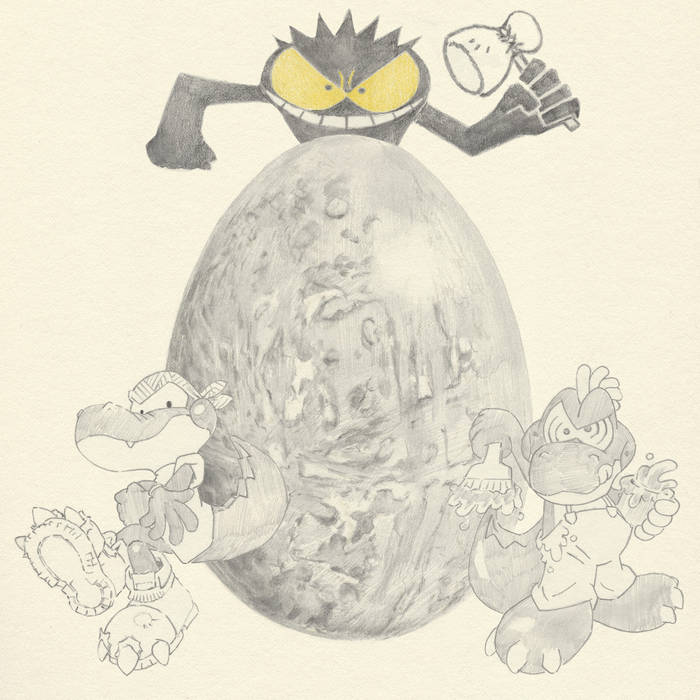
45. Forever Howlong – Black Country, New Road
Forever Howlong marks Black Country, New Road’s true reinvention, following a long gestation after the departure of founding frontman Isaac Wood. This new BC,NR feels grounded in a queerified baroque alchemy, built on orchestral structures and pristine instrumentals. Forever Howlong is a departure from the deeply masculine, if effacing, attitudes of their previous studio albums, with the often female-fronted songs moving towards a far more delicate tone. The band hasn’t moved past the grandiosity that inevitably comes with being a six piece, though. “Besties” starts with a bang, before aiming for a far more delicate tone via classical woodwinds and a semi-choral background. The rest of the album is equally as majestically whimsical, utilizing recorder and harpsichord to achieve an identity evolved from its deeply masculine, even if effacing, past incarnation. – Wei Zhou and Benny Sun
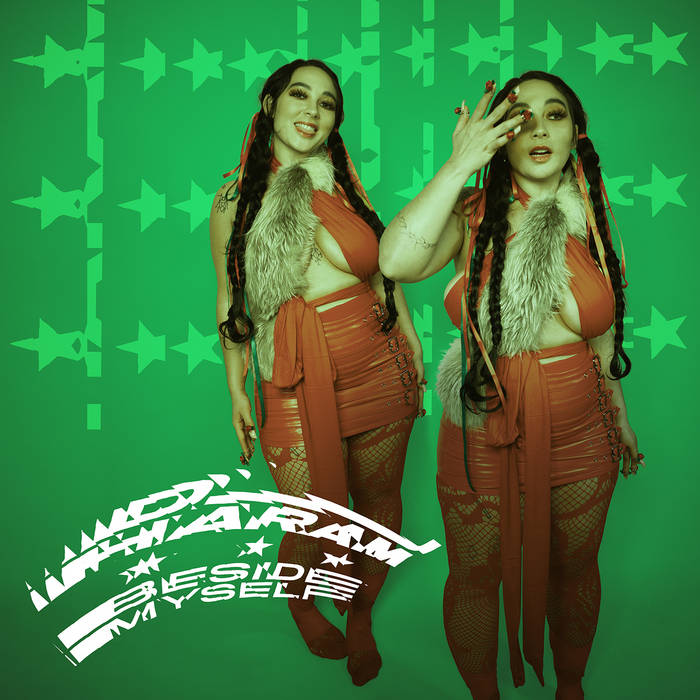
44. Beside Myself – DJ Haram
The weight of DJ Haram’s entire career thus far, as well as some personal dialectics, can be heard on Besides Myself. It’s an experimental tour de force that melds a decade of multivalent excellence into one personal testament. Tracks like “Stenography” and “Fishnets” push these already-experimental artists to their absolute limits, a flex of imagination from the producer. The niche explorations on Besides Myself are never forced, as DJ Haram approaches regional club, experimental sound design, sampledelic sound collage, and hard bass music with the wisdom of her 10,000 hours. It’s a total representation of DJ Haram’s first ten years and definitive proof that she’s developed her career into something that will persist for at least the next ten. – Benny Sun
43. Handwriting Practice No. 1 – Operelly
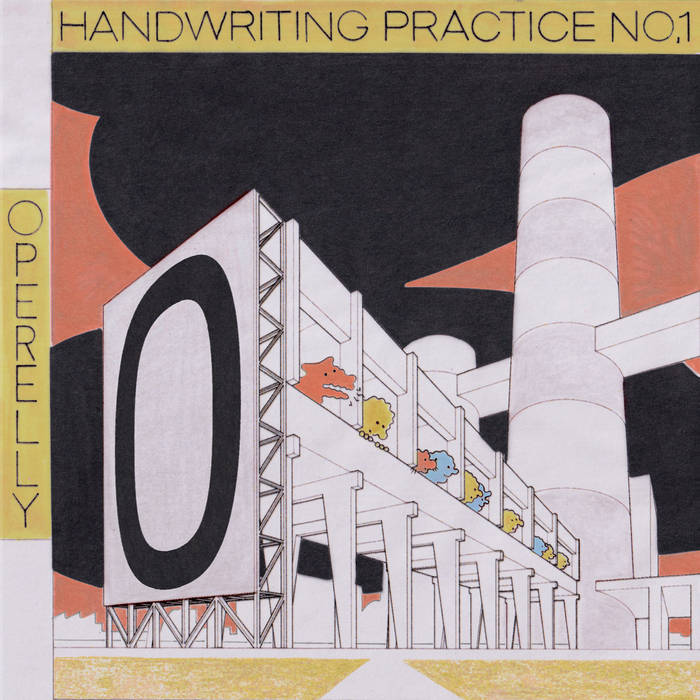
Indie-darling Operelly, aka Olivia Austin, returned with a fully-fledged EP to showcase her musical capabilities. handwriting practice no. 1 is an imaginative showcase of the whimsy of singer-songwriter Operelly. The Bay-Area artist masks their ferocity behind their tenderhearted voice, producing a compassionate and genuine album. As a recent graduate of UC Berkeley, the artist meanders between plucky guitars and jingle-jangling piano riffs. Although only six songs, Austin manages to experiment with her already distinguishable sound. Songs like “Hear your soul” playing more into what feels like the gloom and doom of a children’s fable. She quickly switches tone, punching it up in “You Don’t Have One Hope,” as her voice dances around light percussion. – Lizzy Jack
42. Deseo, Carne y Volutad – Candelabro
Even to those who speak no Spanish, Deso, Carne y Voluntad (Desire, Flesh, and Will) leaves an indelible impression of fluency. In their sophomore record, Candelabro ties guitar, drum kit, and synthesizer with an ecstatic and often crazed saxophone. It’s an album that is at times quiet and reserved, and at others uproarious and cathartic. The band’s multifaceted instrumentation matches their eclectic vocals: a mix of a feminine lilt and a masculine gruffness that mirrors the diversity of their artistry. The strength of the record lies in its ability to leap from a quiet corner of a jazz bar to a college band’s concert, exploring the murky area in between. Every song is a journey, and even if the words are completely foreign, there’s something enchantingly adventurous about listening to them. – Wilson Swenson
41. Pirouette – Model/Actriz

In an era almost entirely void of sensuality, Brooklyn-based noise rock group Model/Actriz are impetuously pushing back, manically clawing at the walls of the hypercelibate pop music monoculture. Pirouette builds on the theatricality and grandeur of Dogsbody without forgoing the rhapsodic metallic tones key to the Model/Actriz style. Essential to the band’s ethos is the blistering honesty of Cole Haden’s lyricism, straight-forward and unabashedly queer in subject matter. On the album’s lead single “Cinderella,” Haden breathlessly divulges his desire to have a Cinderella birthday party, changing his mind at the last minute. Other songs, like “Departures,” are equally confessional around his unashamed eroticism.The undercurrent of the album, a yawning ache for something real, coupled with the relatively pared down yet intoxicatingly industrial instrumentals, is what makes Pirouette so addicting. There’s no need for unnecessary gilding—there’s power in the rawness. – Amélie Khiar
40. Bloodless – Samia
Samia’s folk-pop on Bloodless is moored, in part, by a horror-film-like conspiracy theory. Lead single “Bovine Excision” refers to an incident when a farmer found all their livestock laid-over dead in the field, inexplicably drained of blood, a bizarre phenomena that reminded Samia of womanhood. Throughout her third album, Samia sinks her teeth into the desire to be an idea rather than a corporeal body. It manifests in some of her most sublime songwriting yet. On “Fair Game” it’s by way of mosquitoes sucking blood from skin on a hot summer night, a metaphor for all the blood you won’t get back once a relationship has ceased; on “Pants,” a pair of old jeans serve as a reminder of Samia’s ex-lover’s weight lingering and left behind in closet drawers. On “Bovine Excision,” the hook is plainspoken: “I want be untouchable/I want to be impossible.” By way of imperfect tracking and finger-picked guitar songs, Samia lies down alongside the cattle in spite of her own personhood, ultimately succumbing to something much more vague—an ineffable femininity forever unresolved – than the complexities of being alive; of navigating mortality. — Levi Langley
39. heat death of the universe – Dead Butterflies
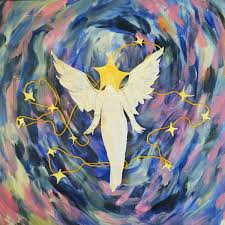
Dead Butterflies keep it short, sweaty, and sweet on their new digital neo-screamo/post-hardcore album, heat death of the universe. Before the cold plane of nonexistence, the last moment of everything will sound like this. It is the sound of our bodies consumed by the void. Bright synths, intense mathcore riffs, and beautifully wretched vocals from Micah Zimmer hit straight to the, giving the chaos some vital humanity. “Ramona’s Theme” sets the tone immediately with a full, urgent feeling, while the album’s digital tint, synth layers, and video game–like beeps and bloops give the familiar sound of hardcore a playful and inventive twist. Tracks like “exploding heart syndrome” and “beneath the surface” double down on that creativity. Heat death of the universe proves that screamo and post-hardcore can still surprise, delight, and break your heart in the same moment. – Stella Chen
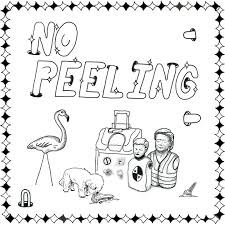
38. No Peeling – No Peeling
There’s an unspoken wonder about having a terribly messy room that you refuse to clean because everything you need can be found in the right place every time. Clothes and papers are strewn everywhere, your mom is yelling at you, and your keys are always on the pile of dirty laundry, exactly where you wanted them to be. That is precisely the way I feel about No Peeling’s self-titled album. The Nottingham-based group’s music is erratic, shredding their instruments like it’s a competition. The result is a racket, clang, bangarang soup that tastes really fucking good. Every track is a noisy everything-but-the-kitchen-sink conglomeration of goodness that should be overwhelming, but isn’t. Instead, it’s fast-paced and off-centered, yet precisely where it’s supposed to be. – Gianna Chae
37. Big city life – Smerz
Norwegian duo Smerz narrate the angsty, vulnerable, and invincible feelings that make up being a girl in the city. Their latest album, balances a particular nuance that reflects the constant flux of the everyday: honest but parodic, lonely yet yearning, fleeting yet grounded. The essence of this album cannot be quite narrowed down to one thing, reflective of the soundscape of city life they fully commit themselves to. Tracks like “Roll the dice” and “a thousand lies” showcase this complexity, providing a song to strut down the big city streets to, and a song to sulk to when you’ve just had enough. Through coming-of-age stringy synths, assertive lyrics, and isolated vocals, Smerz lay forth a witty and emotional choose-your-own-adventure that is Big City Life. – Nayeli Rodriguez
36. Rooster Slipped – Rooster
On Rooster Slipped, Rooster (aka rapper Yung Gud) finally steps out of the shadows of Swedish hip-hop group Sad Boys and into an identity of his own. The intentionally unrefined, deadpan vocals drag his nihilistic lyrics through a mindscape of sensuality, violence, and existentialism. The production pushes away from the cloud-rap in his DNA into a sound that is somehow minimal yet art-pop adjacent at times. Tracks like “The Slip’n’Fall (E2 Fix)” make that evolution explicit, others, like “xoxo,” reveal new tones of voice that feel almost vulnerable. Even when the album’s lack of cohesion mirrors its stream-of-(un)consciousness structure, the motifs and dreary, dreamlike atmosphere hold it together. While familiar cloud-rap flexing is featured on songs like “OMG! WTF!” and “five star reviews,” the delivery feels more like a commentary on the alienation of late stage capitalist rather than pure egotism. Rooster Slipped is intimate in a way that goes deeper than the typical vulnerability of cloud-rap. It’s overthought in a way that resonates with others who live within their minds. The Rooster has crowed (and slipped!) into his most personal work yet. – Stella Chen

35. black british music (2025) – Jim Legxacy
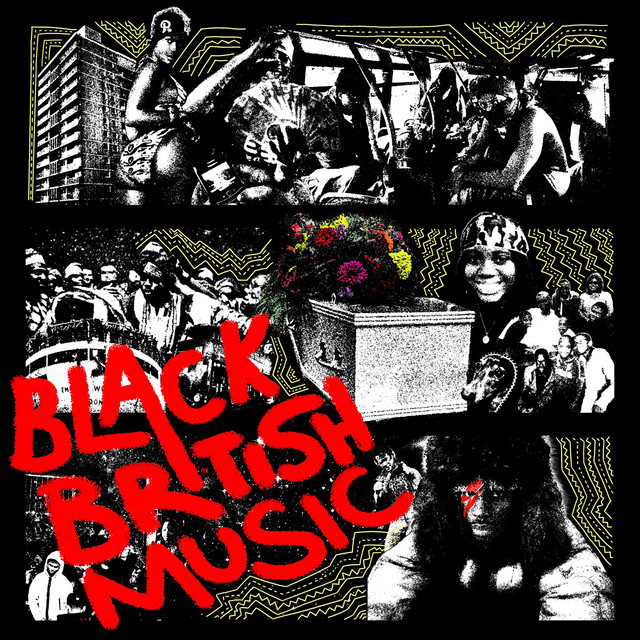
Whether you’re British or not, it’s clear that Jim Legxacy’s Black British Music (2025) is unmistakably London, an ode to Black British culture in its truest sense. Although chaotic, Jim is able to sift through genres: jerk, afrobeat, R&B, all while feeling stunningly intentional. This album, compared to his previous, feels a lot more artsy and airy. Whether it’s the interpolations and samples from London legends like J Hus and BBK, or the hyperlocal song titles, “i just banged a snus in Canada Water,” this album feels like a tour around the city. It highlights just what the UK underground scene has to offer. His reinterpretations of old classics feel genuinely new, and his nods to South East London, necessary. The features—Dave, Dexter in the Newsagent, and Fimiguerrero—fold perfectly to enhance the light of just how expansive Black British culture has always been, particularly for music. This album is a voyage, and Jim is confidently steering the ship. It’s emotional, carrying a quiet weight that touches you without overshadowing the joy of listening. – Xanthe Massey
34. Los Thuthanaka – Los Thuthanaka
So much of writing is comparing a work to something that’s already out there, be it in the vein of genre, artist, or texture, but Los Thuthanaka’s eponymous debut makes this impossible; no song on this record is truly like anything else already extant. On their under-the-radar debut, the duo consisting of Joshua Chuquimia Crampton and Chuquimamani-Condori weave a uniquely addictive tapestry of addictively ear-wormy tracks, drawing from seemingly distant sonic landscapes like indigenous Bolivian Huaiño and psychedelia. It’s an album that shouldn’t work—half the tracks clip and parts of it are frankly difficult to listen to—but it somehow does. The thumping rhythmic spine that laces its way through the foundation and familiar Yamaha samples help ground the album’s sound amongst its more chaotic elements. “Jallalla Ayllu Pahaza Marka Qalaqutu Pakaxa” is a standout track that completes the band’s thesis, a repetitive guitar refrain supporting the aural exploration of glittering synths and sci-fi sounds. Los Thuthanaka shows that it’s only by looking to the past that music can move to the future. – Amélie Khiar
33. PORTRAiTS – PARKiNG
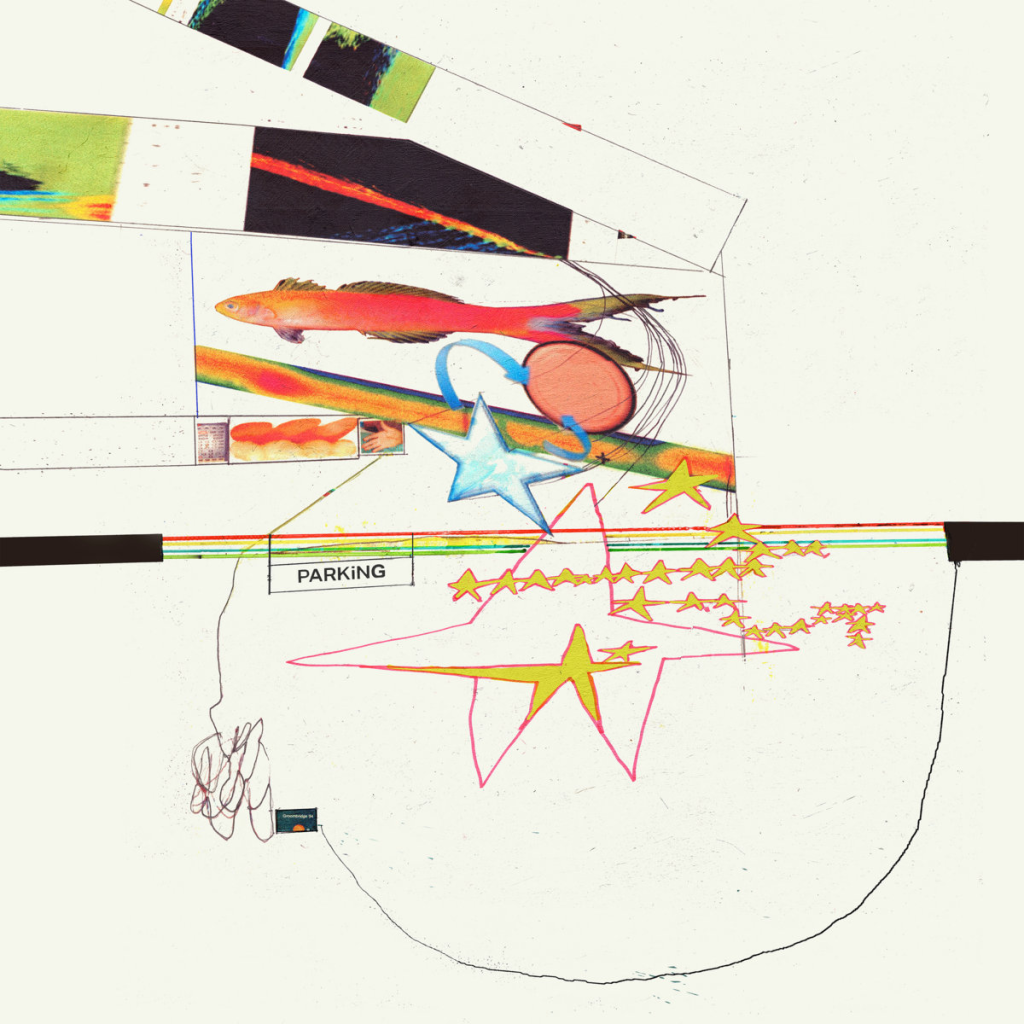
Like a bulletproof tire with a pulse and a disembodied heart thrown in like a hand grenade, the debut by Louisville, Kentucky’s PARKiNG is a brutal, seismic volcano that surely would have been loved by the likes of Katia and Maurice Kraftt. Informed by the champions of Louisville’s local past (Slint, Rodan, Squirrel Bait) and modern midwest-power-pop sensibilities, the trio—consisting of T Moore (drums, vocals), Lizzie Cooper (bass, vocals), and Boss Benson (guitar)–are the ideal blend of consistency, clamour, and teenage disaffection. Separated into three sections by looming, harmonic string interludes, the record is highlighted by touchstone tracks: “Siren,” “Mike Johnson is a Mechanic,” (live renditions of which include harrowing screams from Cooper), and “Statements,” the record’s only single. – Shannon McMahon
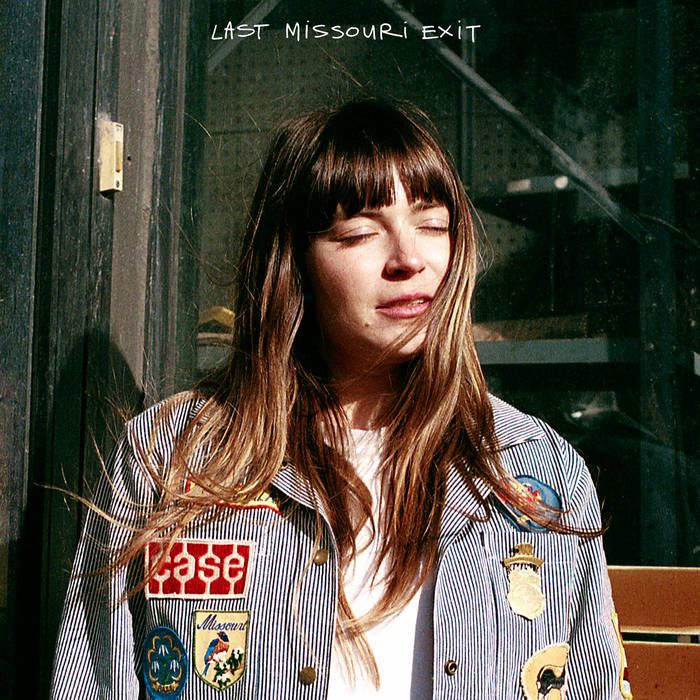
32. Last Missouri Exit – Case Oats
There isn’t anything particularly novel about Case Oats and their debut LP Last Missouri Exit, rather specializing in a sort of Midwestern longing gorgeousness that will never get old. Lead vocalist Casey Gomez Walker is singing, among an entirely acoustic setup and twangy pedal steel, about downtown bars, Midwestern highways, baseball caps, ex-boyfriends, hometowns, and pretty much anything else that evokes a creaky front porch swing. It’s an imperfect melding of Kimya Dawson and Iris Dement’s coziest inclinations; warm and literary, there’s some serious sentimentality that lands wholly scathed, like a broken guitar still strumming. Though Gomez Walker is writing about age-old feelings, it’s the type of romance that will never die out, as long as she’s playing the same sweet-sounding open guitar chords with a capo. — Levi Langley
31. Hell Hill – Elita
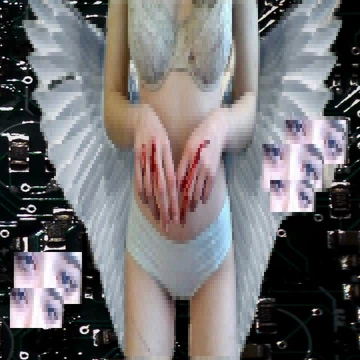
Coming from Newfoundland, alternative pop group Elita has found their footing with Hell Hill. The record sounds like Silent Hill dragged through an obsessive, unrelenting glitch filter. It’s populated with mellow vaporwave-esque production and lead singer Emma Harvey’s eerie vocals. With tracks “Masturbating in a Coffin,” “Hikikomori,” and “Knife Dick,” Elita adheres to their typical dark and perverse sonic themes, but Hell Hill stands out as far more aggressive and 4chan-adjacent than the group’s debut album, Dysania. Further crafting an image for the band beyond “Melanie Martinez’s opening act,” Hell Hill is the girl who keeps a switchblade in her purse and loved scrolling through bestgore.com way too much. – Sydney Figueredo
30. HAGEN – Titanic
If you’ve been looking towards Copenhagen for palatable avant-garde salvation, I urge you to turn your eyes towards Latin America. Specifically, look to Amor Muere, the Mexico-based collective to which Guatemalan cult-favorite cellist and songwriter Mabe Fratti and producer I la Católica belong. HAGEN, the debut collaboration between Fratti and Católica, is the kind of musical collusion that makes one suspect reinventing the wheel can be done within our lifetime. Fratti’s freakiness is more restrained here than on her personal projects, but I la Católica is careful to not rein her in too far. The childlike vividness of Fratti’s lyricism flourishes here under more structured production. Beneath the babbling brook of tasteful industrial percussion and delightfully idiosyncratic vocal harmonies lies the solid stone of palpable genius. – Bernarda Basualdo

29. Total Freedom – Cowgirl Clue

Cowgirl Clue, with hits like “Cherry Jubilee” and “A Figure 8,” has created a sound that is certainly atypical. Her dance music pairs simple, somewhat whiny, vocals with bizarre twangy production. Total Freedom finds itself in the same realm as recent releases by Cowgirl Clue’s electronic peers Frost Children and Donatachi. Tracks “Ballet Flat$ On The Ga$ Pedal” and “Cruise Control” encapsulate the semi-Eurotrash, occasionally country sound that Cowgirl Clue draws on throughout this short—just shy of 34 minutes—record. Presenting a sonic evolution of Clue’s earlier release, Rodeo Star (2023), this album gives us dirt, bass, and sparkle. Total Freedom is an experiment in complete discord. – Sydney Figueredo
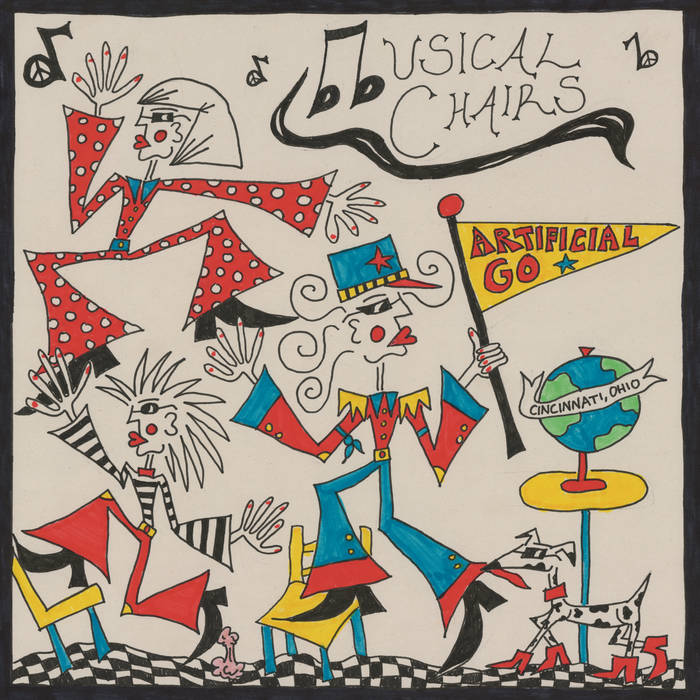
28. Musical Chairs – Artificial Go
Cincinnati trio Artificial Go dares to ask the question: what if post-punk was fun? The band’s second album Musical Chairs embodies the same charming spontaneity as its namesake children’s game. Buoyed by vocalist Angie Willicutt’s Raincoats-esque vocalizations and the band’s jaunty grooves, the album’s particular brand of twee-punk takes on the same youthful exuberance as a colorful jigsaw puzzle. Micah Wu’s bouncing basslines recall equal parts Jah Wobble and Bootsy Collins, giving the record a danceable dub-funk edge. Tracks like “The World is My Runaway” or lead single “Circles” sound like they could’ve been on the Rough Trade catalog circa 1978, whilst closer “Sky Burial” wades into the surprisingly comfortable world of atmospheric trip-hop. In the spirit of similarly goofy new wavers The Feelies, Artificial Go certainly give us some crazy rhythms. – Lachlan Wong
27. Ripped and Torn – Lifeguard
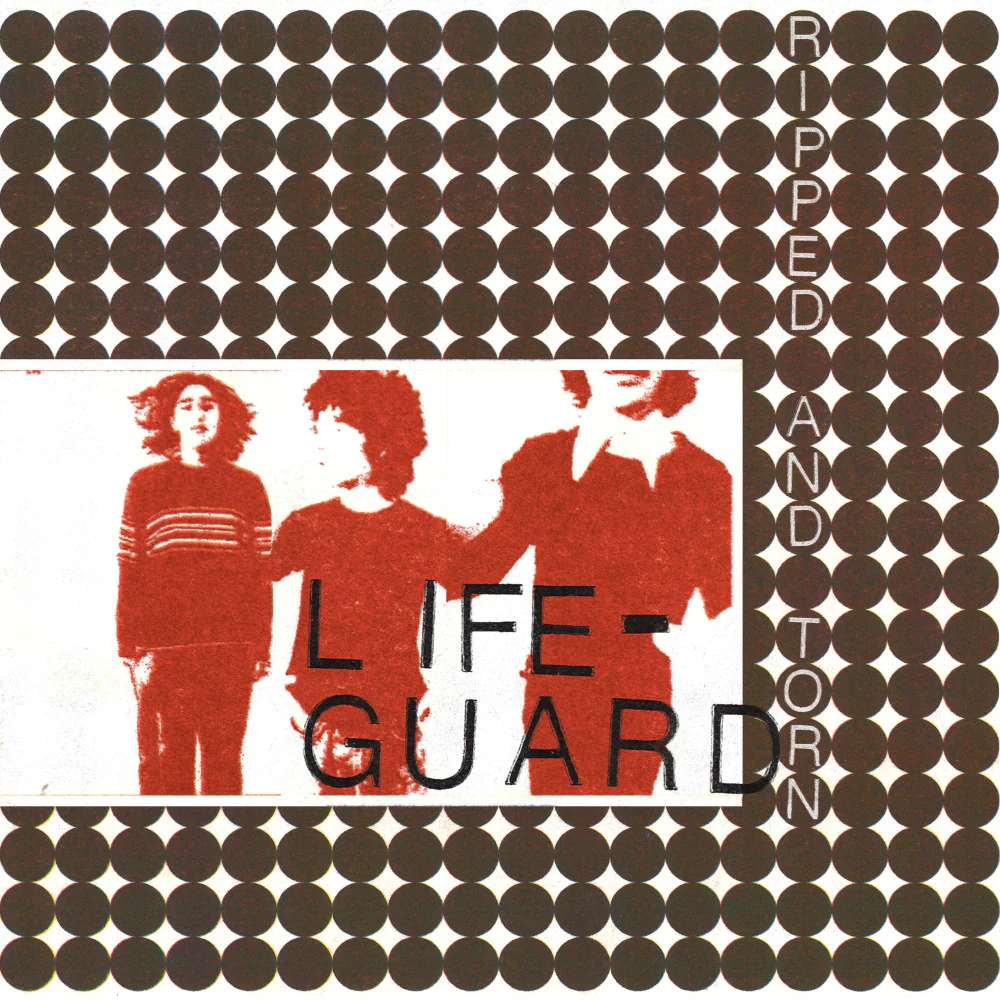
For the perhaps permanently teenaged Chicago trio Lifeguard (despite two of the three now residing firmly in their twenties), 2025 was a big year. Three years following their inauguration as the youngest band to sign to indie veteran Matador Records, their first effort Ripped & Torn (presumably named from the 1976 punk fanzine) displayed a new, still lovably rough-around-the-edges version of the band with blistering pop hits and plenty of experimentation to boot. Tracks like first single, “It Will Get Worse,” showcase the influence that power pop has had on the group as a whole and particularly Slater (seen evidently in his solo project) as they’ve transformed from noisy young punks to sharper noisy young punks. Alongside ambient interludes and post-punk cuts, Ripped & Torn feels right from the pages of a freshly xeroxed fanzine. – Shannon McMahon
26. 1000 Variations on the Same Song – Frog
It’s a little jarring to hear that an album deliberately constructed to be repetitive sounds so varied. Frog, the New York-based indie folk duo, released their fifth studio album 1000 Variations on the Same Song early in 2025. Their last LP, the lo-fi Grog, presented a shift to a more playful approach while maintaining the endearing themes that they’re used to. Now, they’ve taken those ideas into softer, more acoustic-based arrangements, in tandem with obtaining a much more hi-fi sound. 1000 Variations has some of the band’s catchiest and most replayable melodies thus far, with choruses, lines, and rhyme patterns sticking in your head long after it’s over. The album thrives in its warmth, welcoming the listener into Frog’s world of vulnerability and poignancy as early as the first track. The lyricism is whimsical but charming, particularly on tracks that are sweetly humorous like “HOUSEBROKEN VAR. IV” and “BLAMING IT ALL ON THE LIFESTYLE VAR. V.” Frontman Daniel Bateman is somehow able to exercise the sincerity of the East Coast through the affable sounds of the South in a manner that is just too inviting to refuse. – Beau Bialow
25. Live, Laugh, Love – Earl Sweatshirt
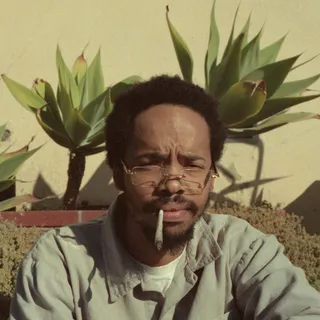
Simply put: “Circumstance raised a baby to a beast.” Whereas a lot of Earl Sweatshirt’s music has felt like the artist getting hit by crashing waves of despair, on his last project, 2023’s Voir Dire, he demonstrated a turning point in learning to understand those waves. Now, on Live Laugh Love, Earl learns from his salad days and sprouts a heartening future. The production on this album is particularly distinctive from his past work, deviating from his typical, more disjointing sound with themes of comfort and reflection. Inspired by his newfound fatherhood, the album looks deep into Kgositsile’s youthfulness, learning from these lessons for his own offspring. Each of Earl’s projects have stood as checkpoints that reflect his emotional state at the time of production, a noticeable growth with each release since 2013’s Doris. From his teen years, the public eye has seen him travel through nihilism, despair, grief, isolation, and everything in between, but now it feels like Earl’s reached the final chapter in his journey to maturity. He still has much to learn, but Live Laugh Love illustrates the beauty in his evolution from hardships. – Beau Bialow
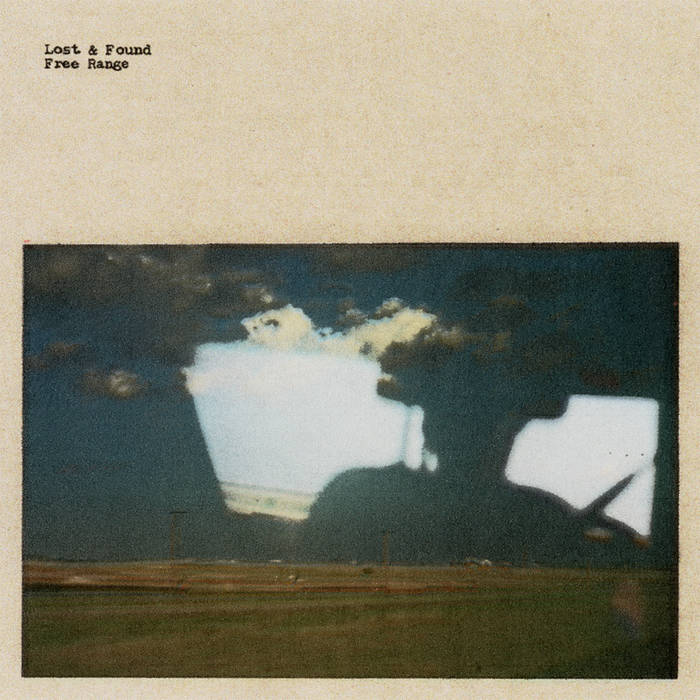
24. Lost and Found – Free Range
Hailing through the revered lineage of Chicago-D.I.Y. rockers, Sofia Jensen of Free Range is another to add to the list. Except, Jensen escapes the quintessential jangle of their Chicagoan counterparts, like Friko and Lifeguard, in their sophomore album, Lost and Found. Rather, it’s familiar and constant is all its hushed intimacy, like a comfort food you can always rely on. Perhaps it’s their honest lyricism that exerts a breath of fresh air in what otherwise can be dubbed an overwhelmed scene. Or maybe it’s the folky homegrown sound of harmonica and acoustic strings that are a byproduct of Jensen’s high school GarageBand origins, but whatever it is, it works, and Lost and Found’s deeply earnest intensity is something to try out. – Gianna Chae
23. I Heard That Noise – Quickly, Quickly
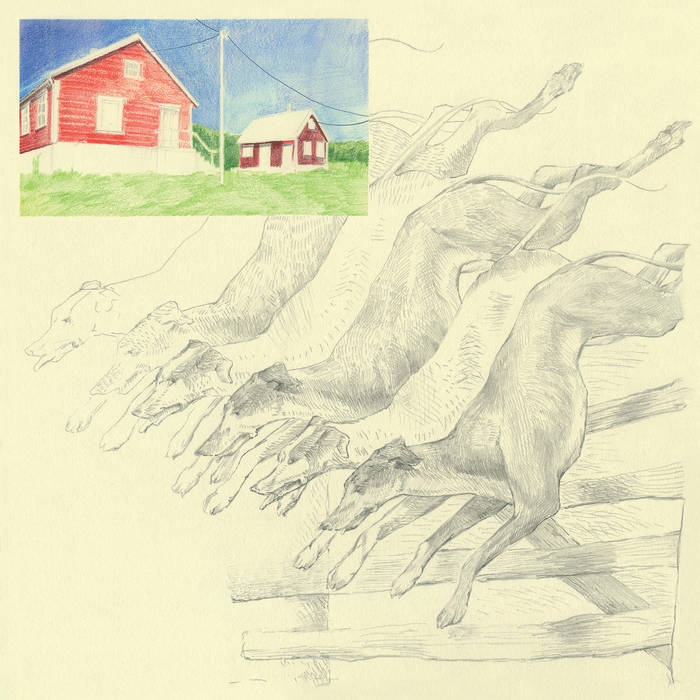
If Graham Jonson’s debut album The Long & Short Of It was a winding thread between bedroom pop, jazz and equally lo-fi yet psychedelic soundscapes that saw the Portland musician charting his course as a singer-songwriter, 2025’s I Heard That Noise is an expansive patchwork that builds off his sound in equally subdued and rapturous ways. After warm piano melodies and reverberating warbles unfold on its title track, ‘Enything’ shows Jonson’s usual indie pop-adjacent style at peak performance, while tracks like ‘This Room’ and ‘I Punched Through The Wall’ weave in touches of a rougher, more distorted sonic palette that still feel right at home next to his gossamer vocals. However, the album truly shines when it veers towards full-blown folk – its final four songs are among the most tenderly intimate album stretches of the year. Perhaps the most enthralling thing about I Heard That Noise is how it never feels the need to draw attention to this artistic growth. Rather, it beckons listeners to get lost in its endlessly lush mix of atmosphere and dissonance, much like looking at a vast meadow stretching over the horizon from the comfort of your bedroom window. – Kaleo Zhu
22. SISTER – Frost Children
If good club music is a recession indicator, Frost Children’s SISTER places the economy in a precarious situation. Though they take more than a little bit of inspiration from the dubstep and progressive house crazes of the 2010s, the sibling duo still feels grounded in recent influences. Porter Robinson has a songwriting credit on “Don’t make me cry,” and his impact is still present on songs on which he doesn’t appear. The layered textures of the album feel modern even if the vocals and hooks feel nostalgic, like on “RADIO”, featuring Kim Petras. Really, SISTER is sweaty, sleazy warehouse music for the generation that had to miss out on the Myspace and early Facebook era of club-going. – Mel Curtis
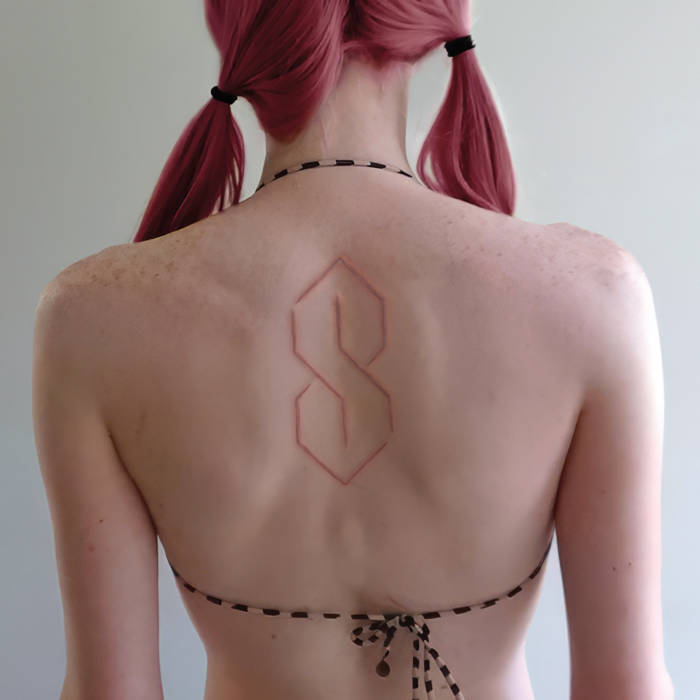
21. O Que as Mulheres Querem – d.silvestre
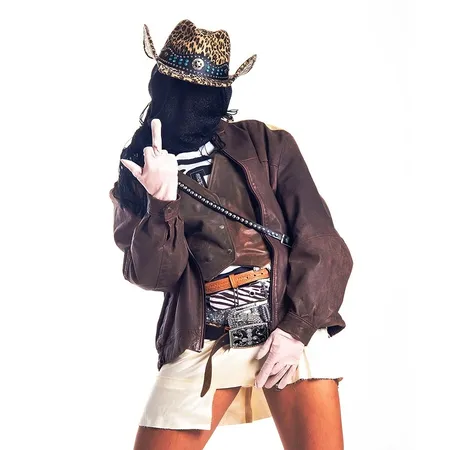
Every time some fucking guy tries to put me onto some “””hard””” club music made by some white guy in Brooklyn or Manchester, I get pissed off beyond belief and play him O Que as Mulheres Querem, the most fully fleshed d.silvestre album yet, even if it tones down some of the extremities that made him so charming on tapes like ESPANTA GRINGO and d.silvestre, I scream in his face. The most aggressive and thus interesting sounds and textures for the club floor haven’t been found in an English speaking nation since Jeff Mills left Underground Resistance, I whine, but the Brazilian scene, its knack for a distorted sub-bass and violent sample chop, has been releasing energizing work that still feels apt for the everyday dancefloor. Just look at the slick gallop of “Vem Por Cima” or the hyperminimal acid techno-meets-Miami bass on “A Sacanagem Comecou,” a devious collaboration between some of Brazil’s brightest talents today, I bellow, before the aforementioned fucking guy goes somewhere else to try and score some for the night. – Benny Sun
20. A Tropical Entropy – Nick León
The debut album from Miami producer maestro Nick León was always going to rest the weight of the world on its shoulders, but it’s impressive just how balanced and fluid A Tropical Entropy sounds. Precarious sound designs define gorgeous ambient backdrops for a sensuous club rhythms, influenced by both the Latin sounds of Miami and his extensive time on the global club circuit. León’s finely tuned drum kits are the perfect ingredients for thumping reggaeton, Jersey club, and raptor house grooves, often topped with perfect accompaniment like Ela Minus or Casey MQ. It all comes to a head with “Bikini,” a pinnacle of pop perfection that’s not worn thin in a year and a half. There’s few club records this year, or ever, that will sound this pristine. – Benny Sun
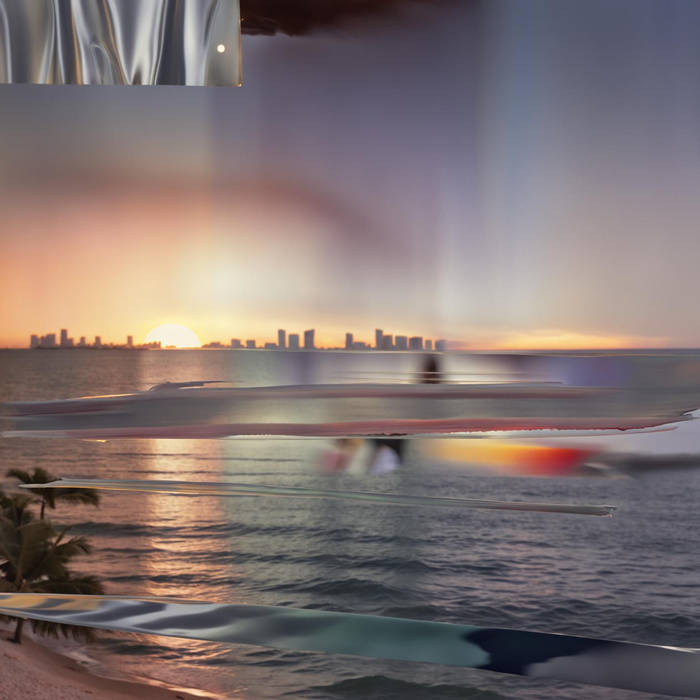
19. The Passionate Ones – Nourished by Time
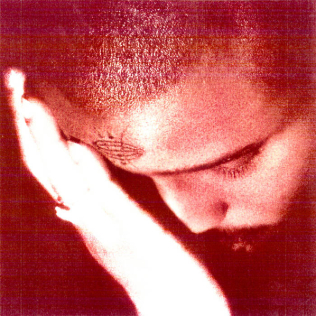
Marcus Brown has spent a decade writing love songs after shifts in construction, Whole Foods, the tennis court, wherever rent demanded. The Passionate Ones feels like the first time the world finally caught up to his frequency. The Baltimore native’s second album is a study in blue-collar blues and socialist longing, but delivered through a post-R&B language he’s carved out of a gruff, velvety voice. Class and creativity are inseparable for Brown, as he reconceptualizes labor and insists that the work your job doesn’t want you to do, the work that sets you free, is the only one worth protecting. The Passionate Ones is the personal and political statement he’s been writing toward since those basement years during COVID. Each track grasps for a new way out. You can hear the hunger, the praxis, the refusal to flatten into genre. Hip-hop is the album’s soul, even when the sound skews freaked-out soul or bizarro R&B; SWV, Nicki, Max Martin, Hendrix, and AC/DC all peek through. Brown creates like someone who knows the American dream is a minefield, yet still believes in the stubborn work of loving others and yourself through it all, anyway. – Anissa Islas
18. Something to Consume – Die Spitz
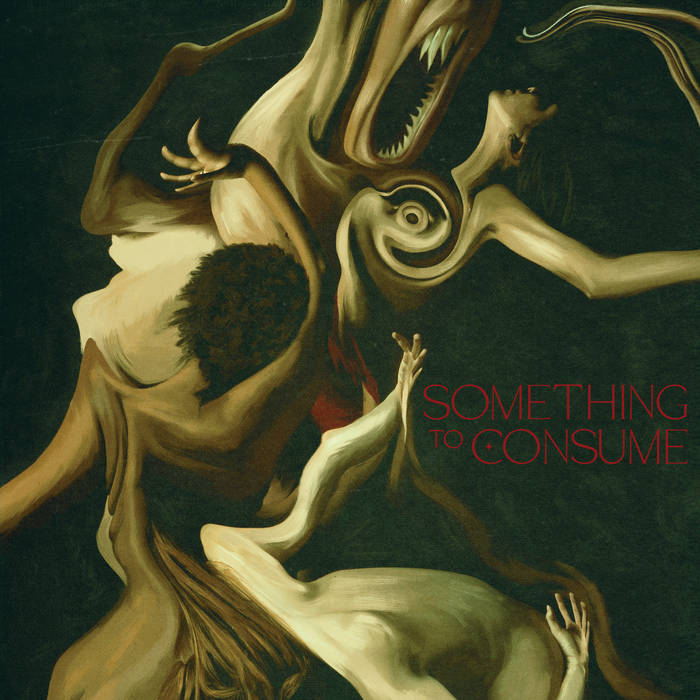
Austin quartet “Die Spitz” are hot-blooded, charged, fleshy, and feminine. Their debut full-length, Something to Consume, has something for everyone and blends elements of garage punk, hardcore, metal, and grunge. Fittingly, the album artwork features a swirling meld of cannibalistic entities, perfectly exhibiting the sonic variety it has to offer. This can be attributed to the refreshingly unconfined roles of each member in this foursome. Ava Schrobilgen, Eleanor Livingston, and Chloe De St. Aubin trade off lead vocals and instruments, unleashing their grittiest growls on “American Porn” and “Throw Yourself to the Sword,” while Kate Halter’s overdrive and heavy attack on the bass set a rapturous tone for the project. – Liana Khorasani
17. Balloon Balloon Balloon – Sharp Pins
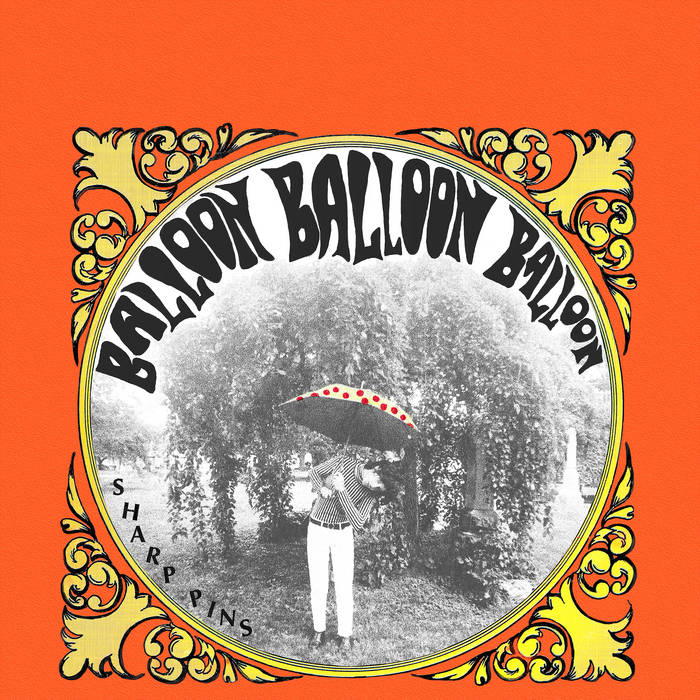
Kai Slater, head honcho of Chicago project Sharp Pins, takes bedroom pop to a fresh frontier but guides us back to a thrillingly familiar era. Balloon Balloon Balloon acts as a museum of 1960s pop: wallpapered in faded sheet music and polka dots, humming with the warmth of borrowed rooms in Chicago and Olympia. A crooked Ringo Starr poster watches from the wall and a striped-sweatered twenty-year-old, soft-eyed and hazy, leans back in a threadbare armchair. Balloon Balloon Balloon behaves like dusty, unlabeled four-sided cassettes. Some sparkle with jangly immediacy, others slouch into dreamlike corners, warping at the edges like tape left too close to the sun. Slater’s feather-light voice drapes over the songs like a well-worn cardigan. Just as balloons drift and deflate, Balloon Ballon Balloon focuses on the fragile flickering pieces of yourself before the world hardens them. On tracks like “Queen of Globes and Mirrors” and “(In a While) You’ll Be Mine,” he turns quiet observations into human meditations, folding nostalgia, humor and vulnerability into melodies that feel simultaneously immediate and distant. Slater creates with simplicity in form, but complexity in intention. It doesn’t ask to be understood so much as felt, and that is why it lingers. – Kennedy Payton
16. It’s a Beautiful Place – Water From Your Eyes
“Nothing is funnier than a guitar solo,” Nate Amos, one half of Water From Your Eyes (WFYE), said in an interview with NME. It’s A Beautiful Place, continues the duo’s post-ironic electronic experimentations by bringing the guitar back into the spotlight. The lead single “Life Signs” showcases this juxtaposition, featuring a chugging guitar riff that opens up into a spacey chorus of 808’s and reverse swells, while singer Rachel Brown ponders, “What’s on the record?” WFYE has never shied away from incorporating their humour into their music, best exemplified by their 2021 cover of Eminem’s “Lose Yourself,” and this record is no different. The title track features a lovely fingerpicked chord progression on the left channel and the sort of unwarranted guitar solo that you’d likely hear at the local blues bar open jam. It flows right into “Blood on The Dollar,” the most sincere on the record, a plainly sweet indie rock song. Sonic antics and a humble 30 minute runtime make It’s A Beautiful Place a fun, easy listen. – Jamie Walker
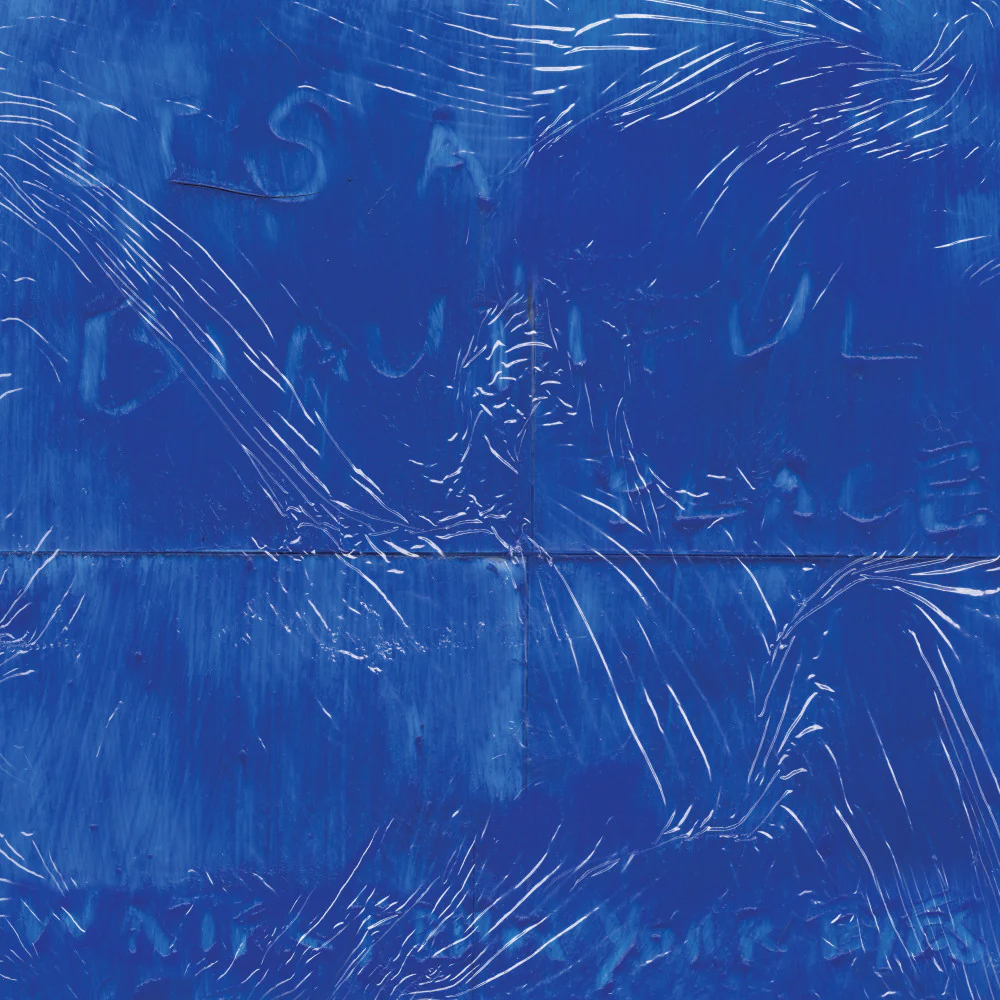
15. caroline 2 – caroline
With the eight piece band, caroline, maybe the journey is the destination: autotune heaven, earworm vocal layering, and distortion cranked to a 10. You never have to worry they won’t leave it all out there, it’s a perfect, calibrated emotional intensity. The transition from being hit by a bus to ascending to heaven is seamless. Building on the organic, stream-of-conscious, and structure-sparse elements that defined their debut, caroline 2 presents a more refined, intentional, and cohesive picture of the band’s ethos and essence. Ditching their more repetitive, loop-upon-loop droning song structures (for the most part), caroline 2 is a collage of sharp shifts, dramatic changes, and textures that zoom in and out; with bass, clarinet, and trombone taking on the frontlines. Sweet vocal melodies–at times formanted to evoke different characters–bind together instrumentation of varying rhythms. On “Coldplay Cover,” two different songs are recorded simultaneously in separate rooms as a microphone drifts between them. It’s an acceptance of cognitive dissonance, of the messiness of reality. On the final track, “Beautiful Ending,” they sing “not everything needs to even out.” When I’m out in the world, ironing my wrinkled shirt because I don’t want to look lame, I’m reminded of Caroline 2 and the beauty in the fine lines. – Prianka Ramalingam
14. I Love My Computer – Ninajirachi
It’s only fitting that Nina Wilson’s debut album opens with “I’ve never been to London / But I’d go with you,” a statement that speaks equally to the transportive nature of technology and on-screen relationships ,before being cut off by a clashing complextro drop. What follows is a glitchy love letter to digital technology, from AIBO-puppy love towards high school memories on “iPod Touch” to all-consuming affection on “Fuck My Computer,” all set over a hypercaffeinated rush of buzzing basslines and circuit board-crunchy percussion. It evokes both the abrasive electro and anthemic commercial house of yesteryear – think pre-Worlds Porter Robinson, Deadmau5, Zedd – and hints of Y2K-era sounds thrown in a blender and cranked up to 110%.
This isn’t to say the album’s perspectives of the digital world are sanitized at all. Ravey stabs and cacophonous vocals punctuate Wilson’s confessions on embarrassing posts she made “deep in my late night feelings” on “Delete,” while “Infohazard” meshes the shimmering piano of Robert Miles-esque trance with her memories encountering a snuff film online as a kid – not that it detracts from the track’s euphoric sound one bit. Even so, Ninajirachi’s sincerity is what really makes the album click. Her balladic verses on “Sing Good” pair with steadfast synths, grounding the universal joy of starting a hobby in her fledgling enthusiasm making music in GarageBand. “I can’t really play good / But I’ve got a computer / I’ll hear it in my mind and make it real,” she sings. Overflowing with energy and emotion alike, I Love My Computer does just that, painting a barefaced and authentic portrayal of discovery filtered through the Internet with a top-of-the-line stylus. As Ninajirachi puts it, it’s all she is, all at once, and I Love My Computer couldn’t be better for it. – Kaleo Zhu

13. star – 2hollis

2hollis rides the electroclash revival wave with star, continuing to level up from his underground cloud-rapper persona into a recession-pop heartthrob while infusing the tracks with just enough bass to keep the opium crowd around. Largely self-produced, with help from rising cloud-rap producer Jonah Abraham, the album is as well-produced as one would expect for someone whose mother owns a record label. Tracks like “eldest child” bring diversity with its demo-like acoustic texture cutting through the glossy synths. Tapping into the psychological strain of fame on “sidekick,” and even more explicitly in the outro of “flash”, 2hollis confirms what we all knew: his curated persona is not the truth. He becomes a kind of new-age Justin Bieber on ketamine, continuously referring to a not-so-mysterious girl, diving deeper into his own mythos, and coming to terms with being the creator of a reality taken to heart by so many of his chronically online fanbase. Beneath it all, the album is a meditation on what it means to be famous, delivered by someone living inside the confusion. – Stella Chen
12. Showbiz! – MIKE
On Showbiz!, MIKE sharpens his long-running tradition of world-building into something more spiritual and grounded, reflecting on dislocation, homecoming, and his restless search for stability. The 26-year-old New York emcee (fully independent and running his 10k label like a small universe) records upon each return to the big city, weaving drumless loops, warped jazz, and pitched-up soul into his lounge-music surrealism. The result feels like wandering through an art gallery alone, where much of his own early inspiration came from. MIKE’s writing moves in slow, meandering passages, but the production of Showbiz! is much more forceful than Burning Desire, while gesturing toward something freer and future-bound. His spirituality, from years of overnight church vigils and people catching the Holy Ghost, filters into the way he builds songs, with intuition first and meaning later, allowing Showbiz! to become an extraordinary portrait of a young man making sense of touring life, independence, and the fractured state of hip-hop. MIKE once again proves why he’s your favorite rapper’s favorite rapper. – Anissa Islas
11. Phonetics On and On – Horsegirl
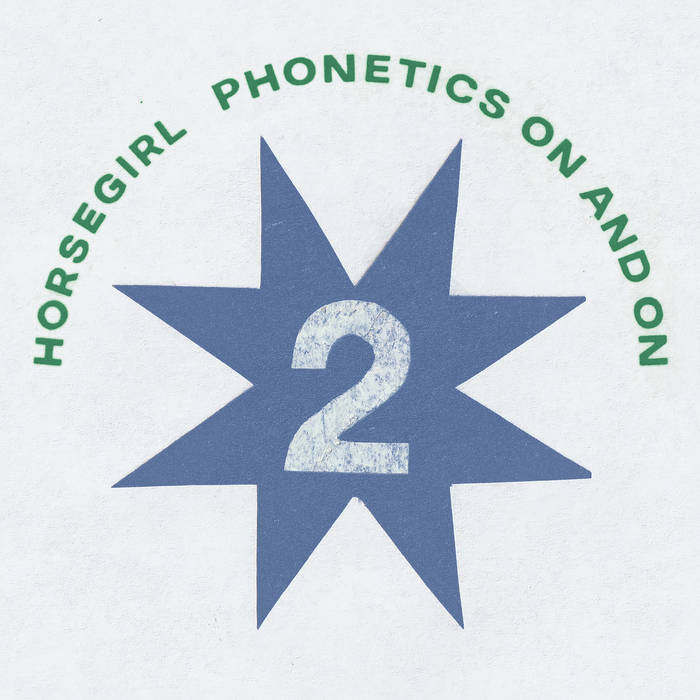
Horsegirl’s sophomore album is fundamental in sound and even more sparing in lyrics. Phonetics On and On builds its melodic foundation through a repetition of monosyllabic patterns. While these phonetics, uttered with a winsome monotony by lead vocalists Nora Cheng and Penelope Lowenstein, may make the album sound rudimentary, the magic lies in their ability to conjure up hidden nostalgic reveries. Phonetics finds solace in the memories of half-remembered lyrics, of listening to Paul Simon’s scatting on “Mrs. Robinson” in the back of your parents’ car. The countless “ba ba ba’s” and “woo-hoo’s” bring to mind the awkward sensation of stumbling through a hook without knowing the right words.
Instrumentally, the New York-via-Chicago trio eschew the occasionally derivative slacker rock of their 2022 effort Versions of Modern Performance with something much more elusive. Under the stewardship of Welsh singer-songwriter Cate Le Bon, whose production lends the record a mechanical crispness, Horsegirl adds splashes of violin and synthesizer to their trademark trio sound of guitar, drums, and a startling melodic 6-string bass. The end result is an album that feels measured to the millimeter on a chalkboard, its concurrent orderliness and chaos reminiscent of the geometry textbook-esque cover art. The perfectly sequenced patterns of “Julie” are punctuated by syncopated guitar strokes and slides, while “2468” features a slow unraveling of its marching band rhythm. Indie rock punch is still present on tracks like “Rock City” and “Switch Over”, but not without a deadpan tweeness.
Phonetics displays an assured trepidation that revels in the nervous energy of not knowing exactly what to say. It’s a record for the self-effacing part in all of us, full of anthems that evoke a satisfaction in uncertainty and embarrassment. Awkwardness has never sounded so confident. – Lachlan Wong
10. Bleeds – Wednesday
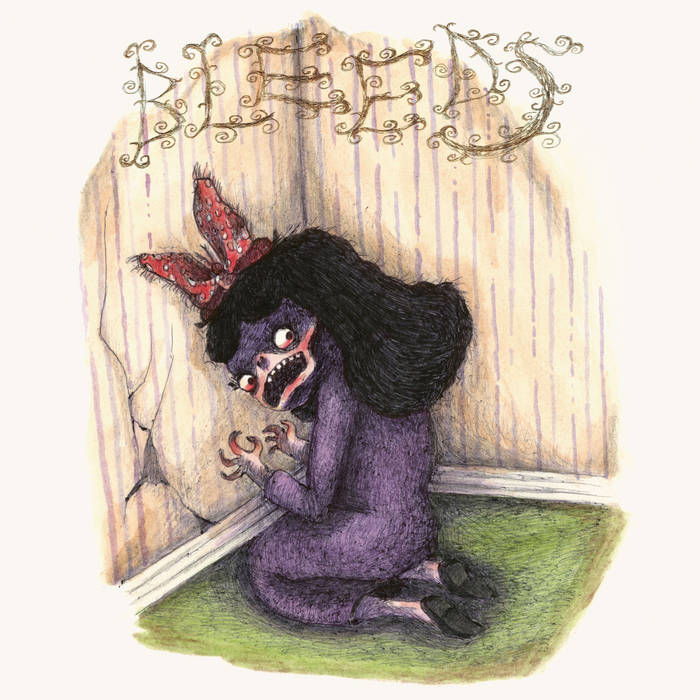
Bleeds is a vulture circling a body, except frontwoman Karly Hartzman is the vulture and the body at the same damn time. Like much of what we’ve seen before from Wednesday, Bleeds walks the line between laughing and crying. Their sixth studio album is a breathing, triumphant assemblage of nostalgia, heartbreak, and everyday violence. Along with her North Carolina band, Hartzman leads us into a Southern gothic, and its sound is fluttering between indie-country, shoegaze, and a dash of something weirder. She’s a literary scavenger, sneakily collecting fragments of gossip, half-remembered movie plots, and details from her own tangled life, stitching them into something sharp and tender.
From tracks “Elderberry Wine” to “Wasp,” it is a lesson in backwards storytelling; Hartzman distills some of her hardest moments–including her split with guitarist MJ Lenderman–into sweet aged wine, and transforms her most mundane moments into thrashing, vibrating amp feedback. As we move through the album’s thrum and twang, we end up wondering: what exactly is Wednesday bleeding? The answer seems to be a chaotic lunch-table concoction of Four Loko, homemade wine, cigarette ash, and good old-fashioned pain. – Emma Maurer
9. choke enough – Oklou
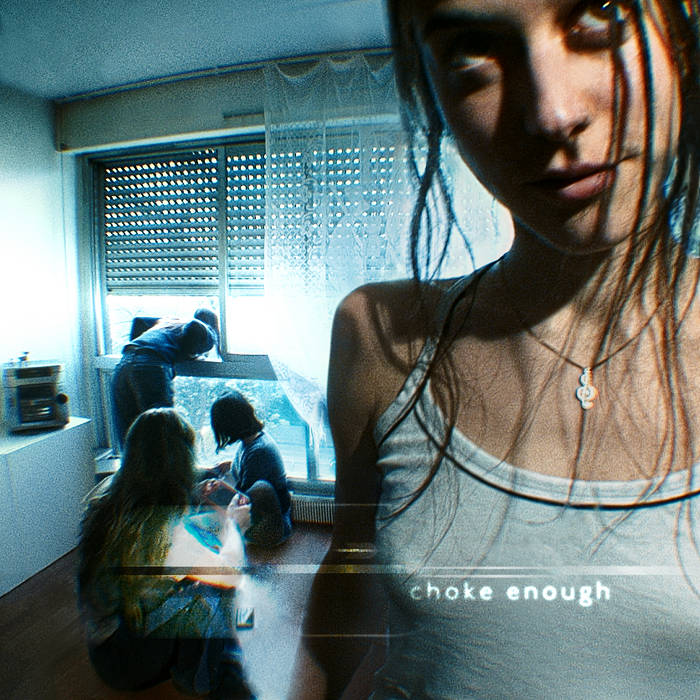
Emerging from her classical roots in western France, Marylou Mayniel’s, better known as Oklou, bite-sized debut studio album choke enough stands as a testament to the shifting tide of electro-pop music. Rather than lean on the maximalism en vogue, Oklou and longtime collaborator Casey MQ anchor most of the production in intimate settings. They’re joined by Danny L Harle and A.G. Cook, two staples of the PC music–hyperpop lineage whose input brings both polished electronica and dreamy abstraction.
choke enough is an inward journey, twinkling arpeggios, warm bass undercurrents, and her softly delivered vocals coalesce into something movingly deliberate. She channels a rare blend of disciplined musical training (her classical piano and cello background) with the adventurous freedom of underground electronic scenes. In doing so, choke enough stakes its claim as one of the year’s most thoughtful, emotionally resonant debuts, an album that not only reflects who Oklou is, but also where she’s headed. -Hanne Brabander
8. Getting Killed – Geese / Heavy Metal – Cameron Winter
It’s next-to-impossible to separate the overwhelming success of the latest Geese record from lead singer Cameron Winter’s debut solo record, Heavy Metal, which launched the 23 year old from relative obscurity into the mainstream. The album displays a softer side to Winter’s songwriting that didn’t get a chance to shine through on the 2023 Geese record 3D Country. The only single and thesis statement of the record “$0” sees Winter screaming “God is real, I’m not kidding this time, God is actually real,” which feels like his attempt to share genuine vulnerability in this post-ironic hellscape we find ourselves living in.
While Winter’s newfound fame certainly attracted more attention to Getting Killed, Geese’s new recordstill represents the most mature effort yet from all members. Featuring production from Kenneth Blume (fka rap producer Kenny Beats), the album is beautifully balanced and sprinkled throughout with ear candy, like the sporadic noise on the opening track “Trinidad,” the tribal chants on the title track, and the layers of auxiliary percussion throughout that supplement drummer Max Bassin’s unorthodox beats, adding urgency and excitement. Getting Killed stands apart from its predecessor 3D Country in its precarious cohesiveness and flow, with several recurring lyrical themes like cars and boats and reality and hell and somebody named Maria. All of these elements build to a climax on the closing track, “Long Island City, Here I Come,” which sounds like the stone rolling away from the tomb. While it can often be difficult to watch indie darlings enter in a new chapter of notoriety, hopefully the success of these talented, young musicians gives them a mandate to continue creating compelling art for many years to come. – Jamie Walker
7. Revengeseekerz – Jane Remover
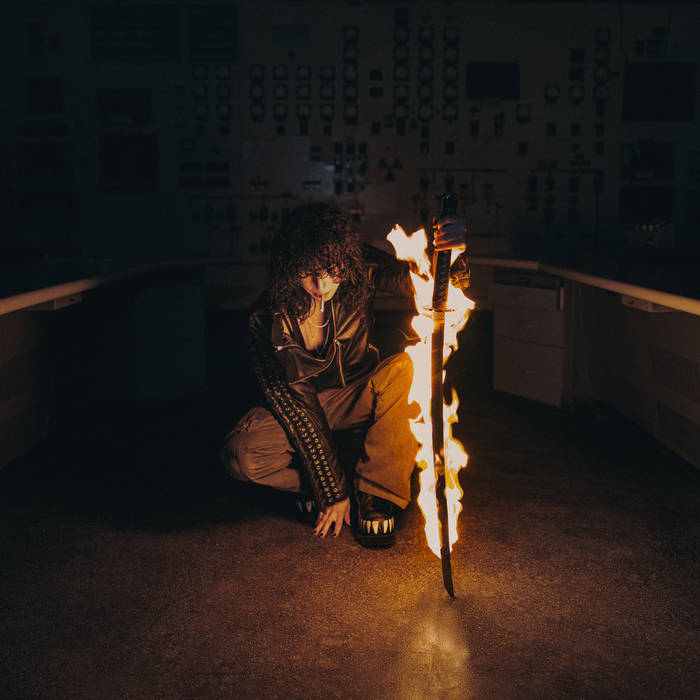
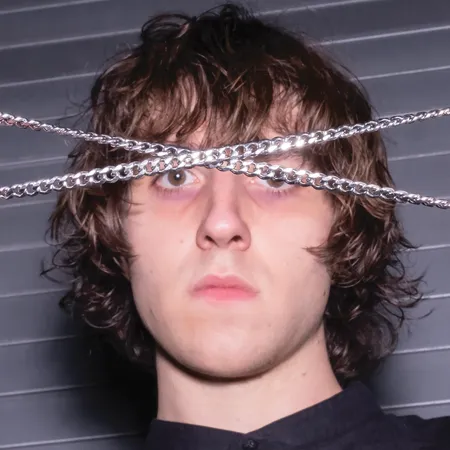
Jane Remover does it all on their third studio album. Revengeseekerz isn’t just Remover’s newest reinvention of their music, but also a revisitation of the lyrics, sound, and themes of their Frailty and side projects Leroy and Venturing. The production is beyond maximalist, with layers upon layers of DS game sound effects and samples of both their own voice and their older music. Over the sounds of Palkia’s cries and glass windows shattering, Remover raps about betrayal and love, the trappings of fame, and their struggles in their identity and relationships. On “JRJRJR”, they talk about their name change and difficult relationship with their older music over a sample of “Homeswitcher,” a song off of an EP that they edited down to half its original size in 2022. The album also has the first feature on any of Remover’s albums, “Psychoboost”, featuring rapper Danny Brown. Revengeseekerz is vulnerable yet violent, expertly maintaining a balance through all twelve tracks. First you’re attacked by the wall of sound; once you regain your senses, you can begin to hear the sinew that holds the songs together thematically. It’s sonic warfare in the digital era, representative not only of Jane Remover’s newest iteration of themself through its tapestry of genres, but of their renewed perspective on their previous work. – Mel Curtis
6. I’ll Be Waving As You Drive Away – Hayden Pedigo
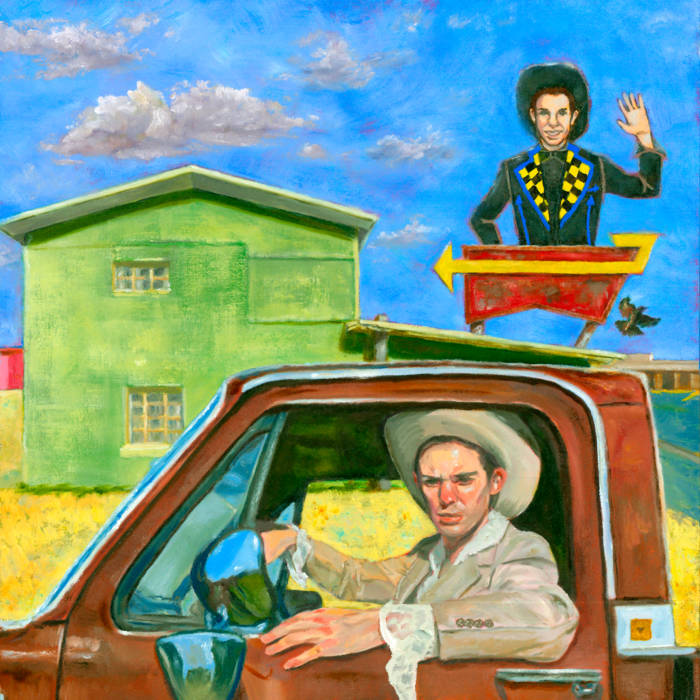
On I’ll Be Waving As You Drive Away, the final entry in a trilogy of albums he has released since 2021’s Letting Go, Hayden Pedigo delivers his familiar neo-American primitivism instrumental guitar music while revealing new experimentations in arrangement and songwriting. Unlike the former albums in the trilogy, which often sit bare with Pedigo’s finger-picked acoustic guitar, this effort features a lush pad of accompanying piano, strings, cymbal swells, and pedal steel. Before its release, Pedigo described his guitar playing on the record as if John Fahey had played guitar on Led Zeppelin III. On tracks like “Long Pond Lily” and “Smoked,” the comparison is evident, as the tracks meld the psychedelic drama of the early 70’s with his sound that has come to represent his hometown of Amarillo in the Texas panhandle. Perhaps the most moving of the pieces on the record is the closer and title track, “I’ll Be Waving As You Drive Away”. Inspired by an episode of Little House On the Prairie, the song embodies a nostalgia for something that hasn’t happened, a soundtrack for your moving car space-outs, a crafted acoustic guitar melody that is as beautiful as it is memorable. – Eamon O’Connor
5. Forever – Bassvictim
Sixty seconds of time constructs a minute in the clock’s continuum. Across 990 more ticks, or 33 more minutes, Forever constructs the thrill of sneaky salacious teenage rebellion of the 2010’s. With electronic duo Bassvictims’ 2025 release, Forever, paparazzi and tinted limo windows constantly peek out from its risqué beats. You cannot help but feel as if the shutters to 16 were pried open – dancing to the eyes conjured by mind amidst hometown posters and polka dot bed sheets. Then, you slap your head against the pillow with songs like “Grow Up” nostalgically whisking you to the tension between your nostalgia of youth and the infinite wish of adulthood. The album feels like an ode to adolescence; to fun (or the idea of it when we were younger); to the constantly expanding; to the new thrills of growing. “I’m Sorry King” and “Wolves Howling” juxtapose a melancholic regret over synths and notes that make you want to groove. You’re caught in the wave of noise so that you’re never quite sure how to feel but you’re quite sure that you do feel, or what to expect; Ike Clateman compels you with tones tinted in sorrow, tarred over with power, transformed by dance.
The chaos of piano litters beneath overtly British rap —- The Hellp like beats and Lowertown-esque lyrics. It is a beautiful combination of soft vocals and rowdy reclamation. They seem to scream “Welcome to Thought,” and then take you through the cerebrum of sound until music becomes memory’s remember and remade. And with all that, you still feel the urge to dance throughout every song! The urge to cry, to run, to urge a yell. The titles have profound intention, informing the nostalgic aftertaste left in your mouth by the end of “Forever.” They scream of the duo’s musical freedom; that this music is made for their inner selves and we just have the pleasure of listening. “It’s me Maria” feels indicative of this. It’s the premier, and acts as such. Forging a hello to new beginnings, welcoming the need for play to day to life. Forever, forever welcomed into our space time continuum – we thank you. – Ilayda Barrett
4. Mercy – Armand Hammer
Mercy sees Armand Hammer (the longtime collaboration between billy woods and E L U C I D) and The Alchemist creating with an unmatched level of intention and specificity to every aspect of their songs. Mercy is a compelling musical puzzle; one could spend hours diligently deciphering each reference and subtextual meaning or source of a certain sample. The opener, “Laraaji”, taking its name from the ambient and electronic artist, strikingly sets the tone around the essence of the vocals. E L U C I D’s verses possess this determined annunciation, which satisfyingly contrast wood’s more matter of fact, relaxed mannerisms. As they speak of “3D-printing guns in gentrified public schools” and “Palm spring reparation,” Mercy reminds its listeners that Armand Hammer never strays from the profound and the relevant – lines meticulously chosen for their message as well as their sound. In “Dogeared,” wood attempts to answer the question “What’s the role of a poet in times like these?” He doesn’t reach a conclusion, speaking instead about how it followed him through the day, and in the end, he was “still grappling,” affirming that the question is far too complex to be answered simply.
It seems, however, that Mercy presents a response, consistently touching on outward social and political topics. Class, race, American society, war, and even technological threats are present themes. Mercy succeeds by balancing topics regarding daily realities as well as worldly issues, giving it a particularly down-to-earth quality. Armand Hammer newcomers like Silka, Kapwani, and Cleo Reed, shine bright alongside recurring names like Quelle Chris and Pink Siifu. Reed appears first on “Calypso Gene,” a song haunted beautifully by E L U C I D’s eerie repetition of the phrase “dip me in the water,” but she shines especially on “Longjohns,” where she features alongside Quelle Chris. Reed has this urgency in her rapping, using short phrases to develop a satisfying flow – “A blue light, then we’ll make amends. Remember when? I will begin.” By balancing their unusual poetic styles with a subtly more conventional track, Armand Hammer’s poetry dances around the beat in an incredibly rewarding manner, demonstrating talent that few other vocalists have. Through their unwaveringly experimental styles, fostered by the Alchemist’s expertise in production, they achieve something exceptional. Mercy creates an experience that is thematically and creatively profound beyond question; an undoubtedly engaging ninth addition to their catalog. – Lena Haziq

3. Talulah’s Tape – Good Flying Birds
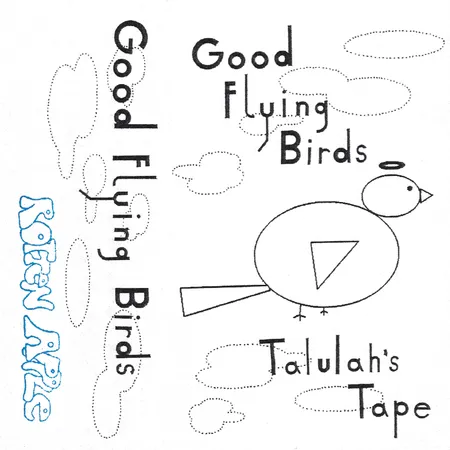
Talulah’s Tape is a rare example of someone actually doing something useful with nostalgia. Not just nostalgia for a person frontperson Kellen Baker is falling in or out of love with. But also, a poignant nostalgia for a ‘67-esque guitar scene; that romantic, lawless rock sound.
Talulah’s Tape is the debut of midwestern pop project Good Flying Birds, led ostensibly by Kellen Baker, who wrote and performed nearly every part of the album. The moniker known formerly as Talulah God by way of a GIF-abundant YouTube page, the band name is an apt switch from a Talulah Gosh reference to a Guided by Voices one. But GFB aren’t simply mimicking their forefathers for the sake of aesthetic, but wholeheartedly applying their jangly guitars and hop-scotching earnest lyricism (“I Care For You”), sugary hooks (“Down on Me”), and sometimes abrasive, punk-adjacent percussion (“Wallace”).
It’s a record for all of the above: power-poppers; analog-devotees; bedroom lofi-ers; teen scenes; zinesters; punks; mod impersonators; neocities users; drugged-up psychs; those still sifting through record store stacks; those who have recently acquired an iPod; love-struck twee-folkies; hell, enough of the associations, it’s for anyone who sees themselves within a cut-and-paste collage of young adulthood and earnest devotion to both life and the craft, all by way of a collection of homemade demos. Or simply, it’s for anyone who likes to dance!
Sure, on the surface it could seem like a collection of analog demos recorded old-school, thanks to the power of friendship and a shitty 4-track dusted off from the basement (certainly true in part!). Maybe you will even coin it as a vaguely-emo child of Elephant 6 parents, or yet another outfit haphazardly reaching for the bright sonic sphere specific to the ‘60s, though to accuse it of reenacting the yesteryear would be to severely sell it short. Good Flying Birds represents the modern youth-beat, writing scrappy and smart guitar songs for those still choosing, in the awful contemporary moment, to be slammed in the face by classic, good love songs that seem to be perennially stuck in the phase of figuring out what it means to feel something immense. Even within all its saccharine, Baker doesn’t obfuscate: “Feeble heart string/ Plucked and beaten/ Unraveling on me/Once in a lifetime/Chance meeting,” he sings on “Eric’s Eye,” a love song emblematic of Good Flying Birds’ deeply unfeigned, yet also simultaneously uncorny storytelling. — Levi Langley
2. Lifetimes – Erika De Casier
Everyone wants to be sexy, but nobody wants to do the work. Sexiness is a complex creature: demanding in its creation and aloof in execution. Anyone can copy surface-level sultriness and eroticism, but the oft-forgotten image that Lifetime captures is an aching sincerity and earnestness that underpins everything. It can take years to even begin parsing the complexities of the act, much less performing it with a believability that feels effortless.
Underpinning the apparent ease of Lifetime is the culmination of years of dedication and precise refinement. This is de Casier’s strongest production; she works at a level of technical ease that allows for further exploration than any previous album of hers. Lifetime is a logical continuation of the rest of her oeuvre, a cohesive body of R&B influenced trip-hop that now, in her fourth studio album, helps de Casier find her most solid footing yet. Functioning within a consistent, sultry mood throughout, de Casier verges into punchier territory on “Seasons,” tastefully balanced by longer melodic lines.
Lifetime thrives in sonic subtlety, manipulating singular quirks into swan automatons: graceful, short lived moments of manufactured sublimity. On “Delusional,” she weaves a horse’s whinny in as a repeated motif, transforming it into a symbol of beauty and truth that signifies the purity of delusion. Like 2hollis and Jane Remover’s left-field sound effect use (though she opts for a classier equine sample rather than Minecraft fireworks), her samples transcend their reference, integrating wholly into her micro-worlds.
Sexiness must be unconcerned, best floats easily over de Casier’s now-signature synth production. Sexiness requires confident eroticism: “Kiss you / hold me / let’s just make love.” Without their musical accompaniment, some of de Casier’s lyrics would fall flat or silly in the hands of a lesser artist. But her delivery is unparalleled – a striking and heart-wrenching honesty permeates even the simplest of her lines. It would be catastrophic to underestimate de Casier’s writing abilities. At their strongest, they evoke tender truth on “You Can’t Always Get What You Want”, with lines like “Sex and desire / Two things we’d like to have / But without love, it’s not the same.” There’s no need for obfuscation; Erika de Casier knows the most powerful thing to do is say what she means.She’s not new to pared down poetics in her lyricism, either. In her solo work, de Casier plays to the strength of her pop writing experience, with simple but evocative lyrics like “It lingers in my body when I realize that love is all we have” on the title track. There’s no need for overwritten gestures to grand poets of the past in Lifetime: Erika de Casier is confident her work will speak for itself. – Amélie Khiar and Bernarda Basualdo

1. GOLLIWOG – billy woods
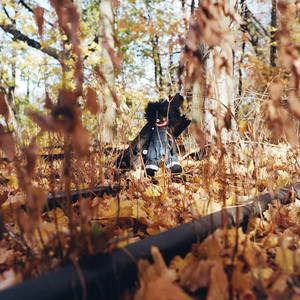
When billy woods raps “today, I watched a man die in a hole from the comfort of my home,” the unspecificity of which today he’s referring to looms large. A quarter into this century and Hunter S. Thompson’s prophecy of the very long war has been vindicated. Whatever false hope the democratic process still attempts to instill in the Western world’s children is quickly fading in the face of 72,000 dead in Gaza. The only thing more numbing than the perpetuity of these horrors is the seeming unwillingness for sat hands to stand up. It’s upon this backdrop that billy woods recorded and released his ninth studio album, a searing indictment of the history and present.
The king of the New York underground has spent the decade fostering an empire of the East Coast’s most searing pens and beatmakers, many of whom appear on the album. Fused Arrow label head and longtime woods producer steel tipped dove nails the aptly titled “Jumpscare,” a downright terrifying introduction where a music box creepily chimes before it’s subsumed by low end textures sourced straight from the abyss. woods taps into golden era New York underground rap on “Corinthians,” bringing the elusive Despot onto a beat from El-P, the former Def Jx label head. Jazz brass maestro Shabaka Hutchings assists DJ Haram on the Armand Hammer cut “All These Worlds Are Yours,” which grumbles through some sparse but searing ELUCID verses.
billy woods’ music shouldn’t feel any more discomforting than flooding headlines of premature death and unresolved disappearances. If that’s all too numbing, then let the rumbling static on “Maquiladoras” and jolt you awake. “Waterproof Mascara” is built on a devestating Preservation loop that centers the sort of crying only elicited by the unthinkable. Occasionally, the roll of a snare drum breaks through, as if announcing that God will take His next audience now. If MF DOOM, referenced all over the album, built a legacy around his unimaginable fictional villainy, billy woods is building his around a similarly unimaginable but all too real evil.
It’s no surprise billy woods’ most despairing album is also amongst his best. His best work has often taken stock of his surroundings, like the travel musings on Maps or his no-survivors swan song History Will Absolve Me. The record is amongst his most explicit, presenting searing indictments of the America that brought about Trump 2.0 and the vindication of oft-ignored post-colonial thought. The album ends with no resolution, but there’s no resolution in life other than death so why should billy woods offer such false hope. Instead, woods forces everyone to take a step back and look at, not just the conditions that brought us here or the future we’re marching towards, but the present we’re participating in now. I can’t say it’s a beautiful one. – Benny Sun