
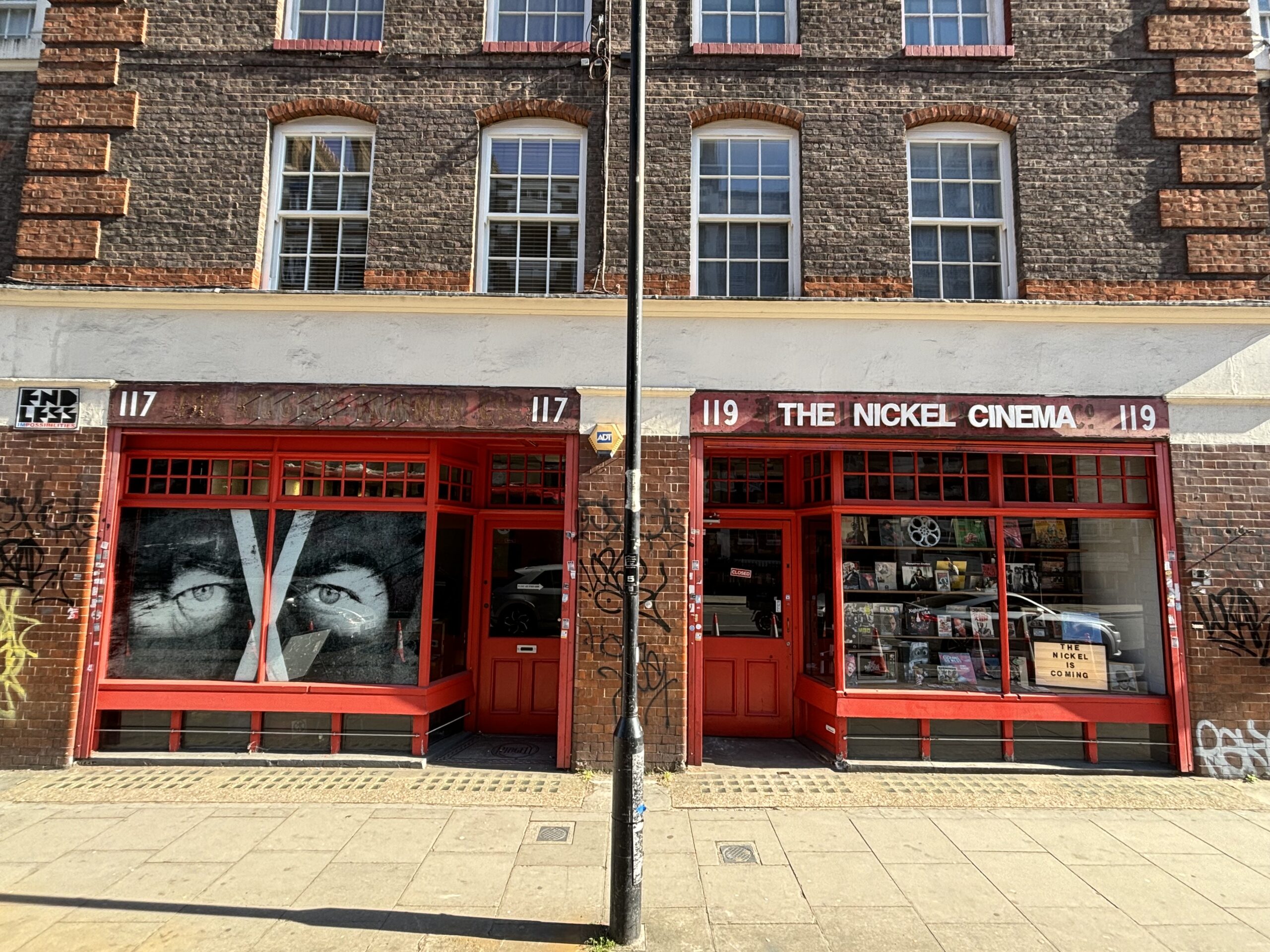
It’s movie night in New York City but all there is to see is your third viewing of Chungking Express at the Metrograph, or, if you’re feeling even crazier, a midnight screening at the IFC Center that, half-stoned, you will fall asleep in. Is there really nowhere in the world left for the perverts who miss when 42nd Street was a literal hub for filth and naughtiness? Are we doomed to inappropriately laugh at Possession on bad first dates forever? Alas — the devils rejoice, for only a plane flight away across the pond there’s a place for us low-lifes yet. The Nickel has only been open for around a year but it has already positioned itself as London’s best kept secret, a grindhouse cinema for sleaze-minded-individuals that are looking for something that bites.
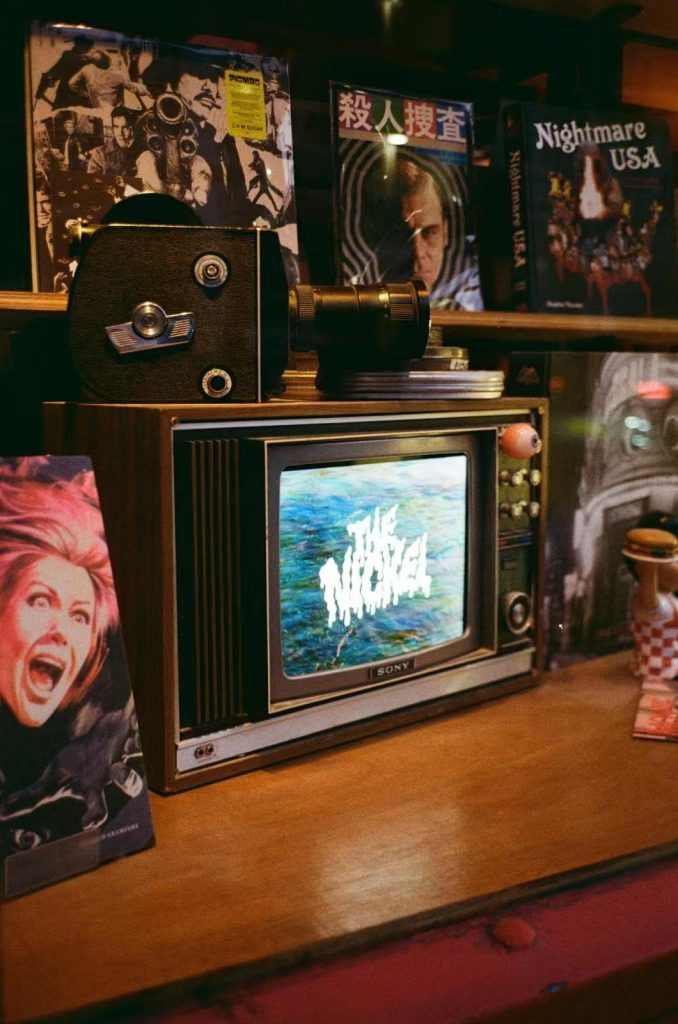
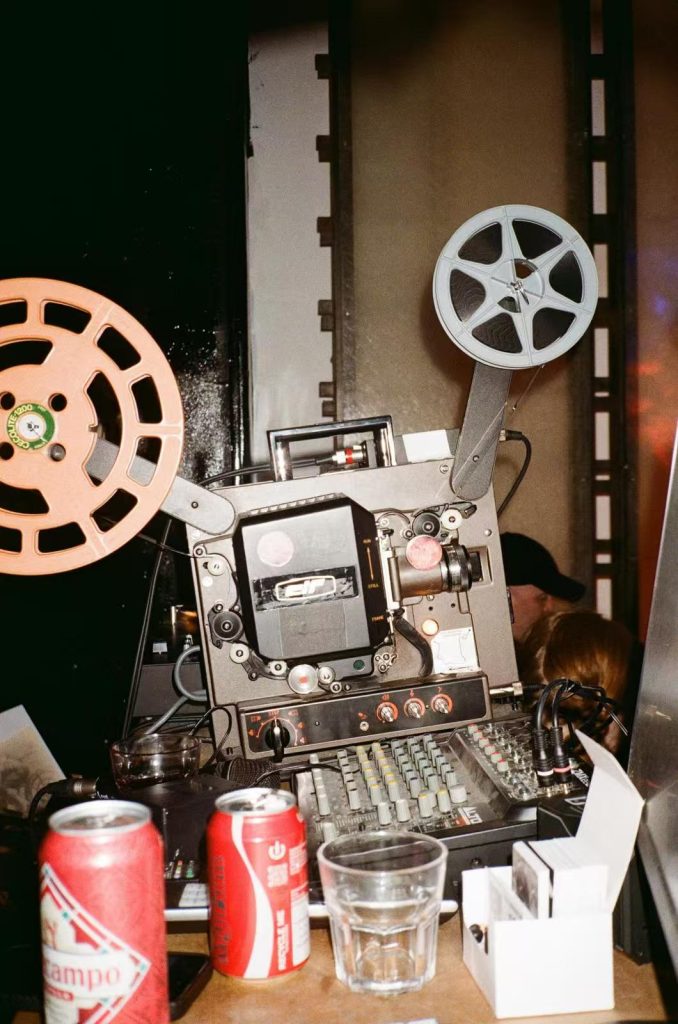
Opened in 2024 in a corporate stretch of Farringdon better known for Pret queues than any form of subculture, The Nickel is a 37-seat micro-cinema built almost entirely against the grain of contemporary film culture. Founded by Dominic Hicks after years of hosting nomadic grindhouse nights across London, the space operates as a DIY venue programmed around exploitation films, video nasties, erotic thrillers, and other deliberately unfashionable detritus of cinema history. Run largely by Hicks himself, though maintained and born through community effort, the fact that this basement screen has quickly become a pilgrimage site for freaks and losers alike reveals something about filmic experiences that are becoming increasingly endangered. How often upon entering the theatre are you so lucky as to be greeted by an almost impenetrable atmosphere of cinematic devotion — exposed brick walls plastered with busty ladies, a near-naked and hairy Burt Reynolds looming above the bar, shelves stacked with VHS tapes with titles like Black Devil Doll from Hell, I knew I needed to meet whoever was in charge of this operation.
How did your interest in cinema really emerge or start?
I think people need an obsession to make life navigable. There’s a line in that Charlie Kaufman movie Adaptation where he says, “If you find something to be obsessed about, it whittles the world down to a more manageable size.” That’s basically the case for most people’s obsessions. It’s one thing to focus on in a very chaotic world, and that happened in film for me.
The forbiddenness of film when you’re young is really exciting. Going to the video shop when I was eight or nine and seeing the sexy titles and the front covers and then reading the back to see the little screenshots, your imagination would just go crazy. I mean, most of those films could never possibly live up to what you imagine. It’s different in this country because we’re quite controlling with age restrictions but I remember desperately wanting to see 15s when I was 11 and 18s when I was 14 and rehearsing my date of birth so that when I got to the usher I would have it down pat, trying to dress really grown up, trying to grow a beard so I could get in to see these older movies. That was a big part of the fun. It’s transgressive and naughty.
When did you realize you wanted to make a project like The Nickel and how was it related to your relationship with film?
It really came from travelling around and seeing various different theatres in Paris, Tokyo, and New York. Even if it’s not a good way to spend a holiday, it would often be one of the first places I’d go if I arrived in a new town. To sit in a dark room, sometimes even watching a film that didn’t have English subtitles just to be in a cinema in a strange town. In New York, Spectacle Theatre in Brooklyn was a bit of an eye-opener because I realised that with cinema you usually associate it with a big expensive project, right? But they were obviously doing it in a very grassroots belts and braces way. The New Beverly in LA was a super exciting kind of churchy vibe of like, you’ve got your tribe when you go there.
I think there’s also something quite hostile about opening a cinema because you’re told that no one goes to the cinema anymore and everything’s going to be streaming. That’s not very romantic for me. I kind of resent that we’re told cinema culture is over now. So I thought even if it fails, it would be an interesting hill to die on to do this thing. The fact that it hasn’t failed shows that it’s all bullshit.
I think now especially, we’re very obsessed with how removed the past seems to be from the real world. Do you think it’s just as transgressive to screen these films now, or is it more like we’re re-canonizing them, turning them into museum culture?
I mean, you have your cake and eat it too with this sort of rep stuff, because I can live in the past by screening primarily movies from the 1970s. It’s not like we’re doing a lot of new releases. But there’s something quite transgressive about that. It’s a statement that the new stuff isn’t cutting it, really.
People often go to The Nickel without any idea about what it is they’re going to see, really. Like, almost nothing. They might have just heard the title or seen an image in the program. If I do introduce something, I say, who’s seen this before? It’s usually that only one person has seen it. These might as well be new releases for people. They’ve never heard of these movies, they’ve never seen them. So arguably they’re new media in a sense that they’ve been completely lost.
I think there is something creative about unearthing something that’s been forgotten and presenting that again. The main thing I always think is that there’s a type of censorship that is happening now that is coming from the artists themselves. There was something much more easily subvertible about the fact that studios would control the message. Whereas now I think artists themselves are just not daring to say or do certain things in case it upsets people. But if you come to a cinema, it’s amazing how few people are triggered or upset or disturbed. People totally get it. Back in the day, if you look at 90s erotic thrillers, they really are in it for the fun. There’s no snobbery, there’s no shame attached, it’s just sexy and fun and it’s lowbrow entertainment. I’m a big defender of the lowbrow in cinema because I think that the interesting things seep through anyway. I like it when the films are not ashamed of what they are. I always harken back to those sort of B-movie things. I find that they actually retain more of their power in a way through their complete lack of pretension or they’re not trying to be anything other than what they are.
It’s interesting you say that given we were talking about how people’s initial foray into cinema is often personally subversive, discovering something that’s uniquely your own. It seems then with avant garde cinemas that the transgression evolves into experiencing it together.
It feels a lot more dangerous to experience it together, like you’re all complicit in something. I feel people are almost aware of their faces. Like, am I smiling at this terrible thing? And you brought a friend or something, and then you’re responsible for that. The worst is programming, because there’s terrible stuff in these movies, indefensible politics or whatever. You’re almost making a statement about how you feel. We sort of toyed with trigger warnings and stuff, but it ultimately felt much better to present them as is without any kind safeguarding or foregrounding of it.
We’ve got 37 seats, and even if we intentionally try to be difficult and unmarketable and show some very weird shit that we’re sure will not sell well, it tends to have enough people there that it’s still worth doing. So we almost challenge ourselves with how few seats we can sell. My favorite feeling is showing stuff that feels a bit aggressive, like I’m doing something bad to the audience. I really enjoy the feeling of sadism that comes from putting something like that on and people being rattled but also really enjoying it and looking like you’ve done something to them when they leave, that’s fun. It’s quite fun to not just want to please. I also like the feeling of awkwardness, for example screening something quite hardcore and explicit and people have to titter and goof around at first because they feel awkward but finally they just give in and accept that they’re watching pornography with strangers.
Where do you think The Nickel fits between being a political project of yours and an aesthetic one?
Oh well, they’re connected, aren’t they? It feels political though because there’s a lot of different battlegrounds you could fight and issues to take with modern contemporary life. It’s easy to feel quite depressed about the way that modern cities are and the homogenous nature of the high street. I think the appeal is political for people as well. It’s a crusade against mediocrity but at the end of the day it’s just people sitting around being idiots watching films in the dark so you can’t get too carried away.
How did you find The Nickel’s location, and how does it fit in with the politics of the neighbourhood being fancy coffee shops and studios?
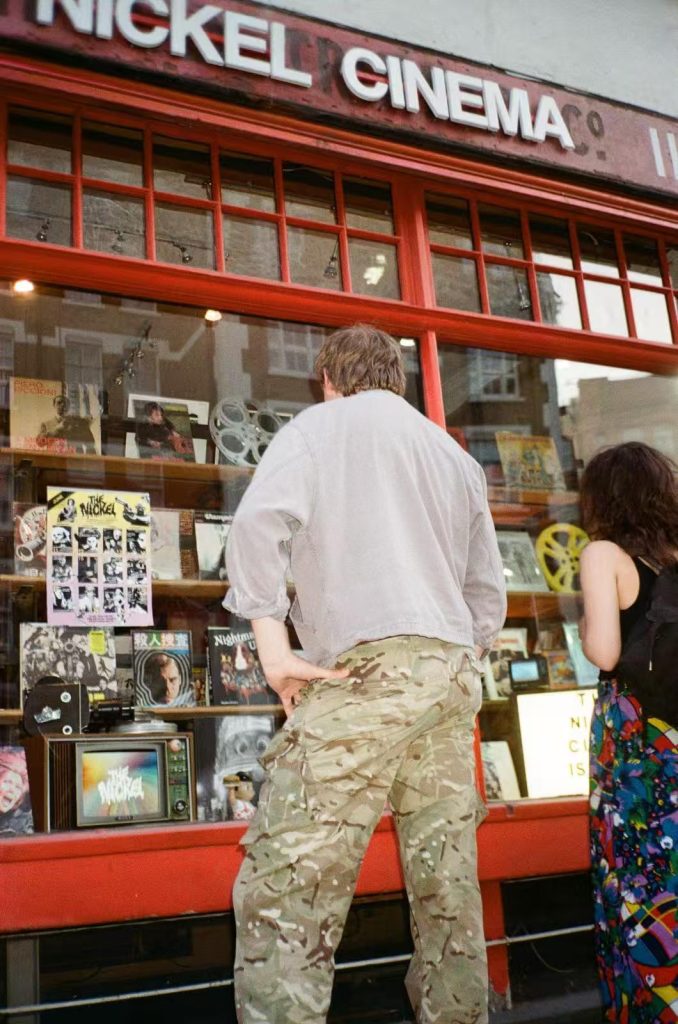
I know I just noticed a brand new one next door. It’s very suspicious isn’t it? We got lucky, the previous tenant left quite suddenly and the council, who are our landlords, which I guess you don’t really have in New York, were very worried that the building would get squatted. The high street’s in this existential kind of crisis about what it is people will leave the house for anymore. Will they leave the house to see a film when they can watch at home? Will they leave the house to go buy records or whatever if they can order them? They basically gave me the keys and said, “Look, if you put some of your stuff in the window and if you promise to sleep here for a while to guard the place then you can open up and start here,” so I had the place for free.
I had built the place with friends and we got the chairs from the Odeon Covent Garden around the corner which was closing down. Someone who was following us on Instagram wrote a message saying that there’s a skip full of cinema chairs if you can grab them fast. Volunteers painted and we did the bar together. It was like a proper little community effort. There was no money behind it. We had a little crowdfunding that raised about £14,000. That’s not very much when it comes to opening up a place. It was people clubbing together and making it happen. It was very corny, almost. That was very inspiring.
What is something our readers should watch right after reading this?
Reflections of Evil. I think it’s a masterpiece. It’s true outsider art and it’s an example of that DIY approach because Damon Packard, the director, made it himself, put all of his savings into it, and shot it on 16mm videotape. When it was done, and he’s in it, he posted out the DVDs to everybody in Hollywood. Just posted DVDs out. So you can really feel the fingerprints on that movie.
Do you have a director that you think encapsulates The Nickel?
We show a lot of Abel Ferrara. Love Abel. I think Abel because he’s so morally grey. There’s no easy way in or out of the work with him.
Any messages for the New York perverts?
Keep on rocking in the free world. There’s no shame in it.